
Choosing the best fabric for a prom dress is the single most important decision in creating an unforgettable evening look. Whether you are designing a custom bespoke gown or shopping for prom dress material, the fabric dictates everything: how the gown falls on your body, how it catches the ballroom lighting, whether it holds dramatic volume or skims your curves, and how comfortable you feel dancing all night long.
With hundreds of textiles available—from high-sparkle crystal lace and liquid duchess satin to sculptural mikado and romantic tulle—selecting the right prom dress material requires matching the fabric’s weight, sheen, and drape to your dream silhouette.
Top Prom Dress Materials at a Glance
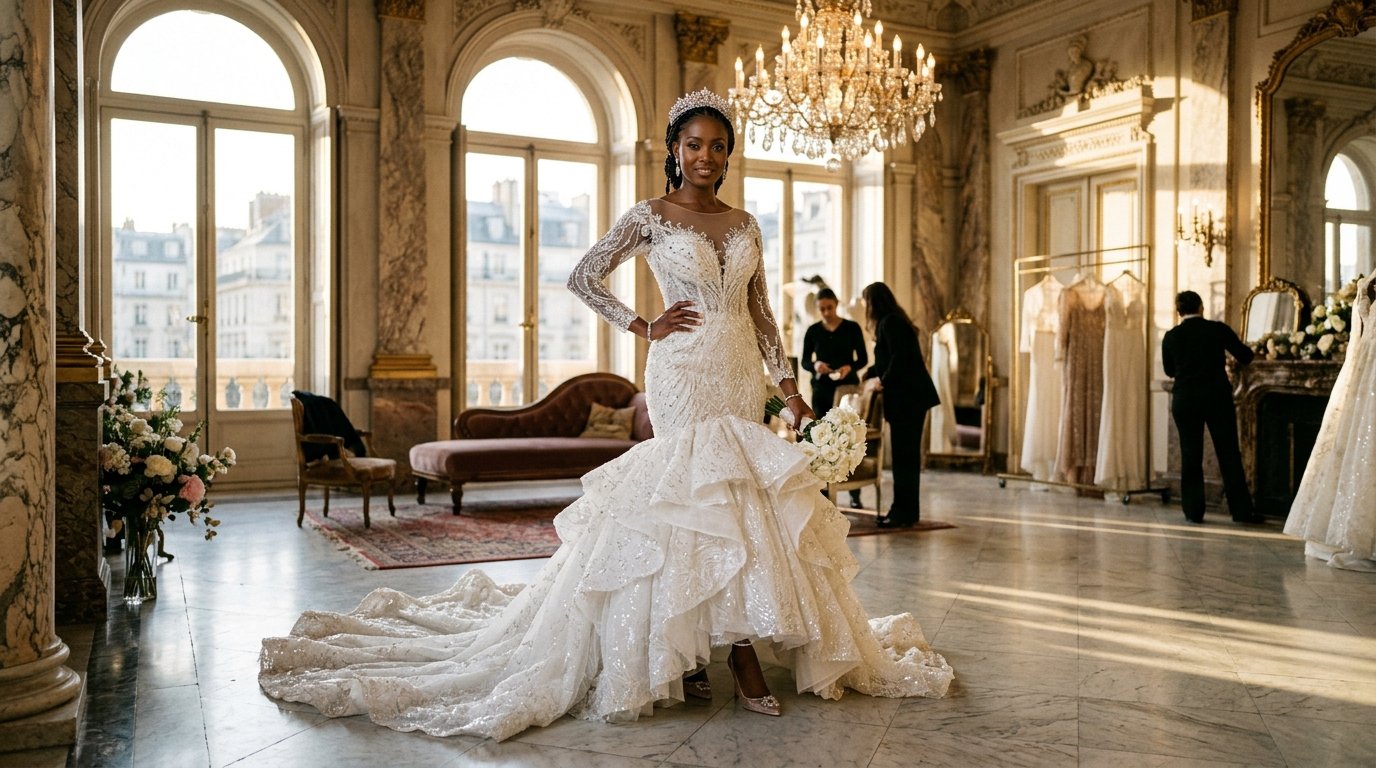
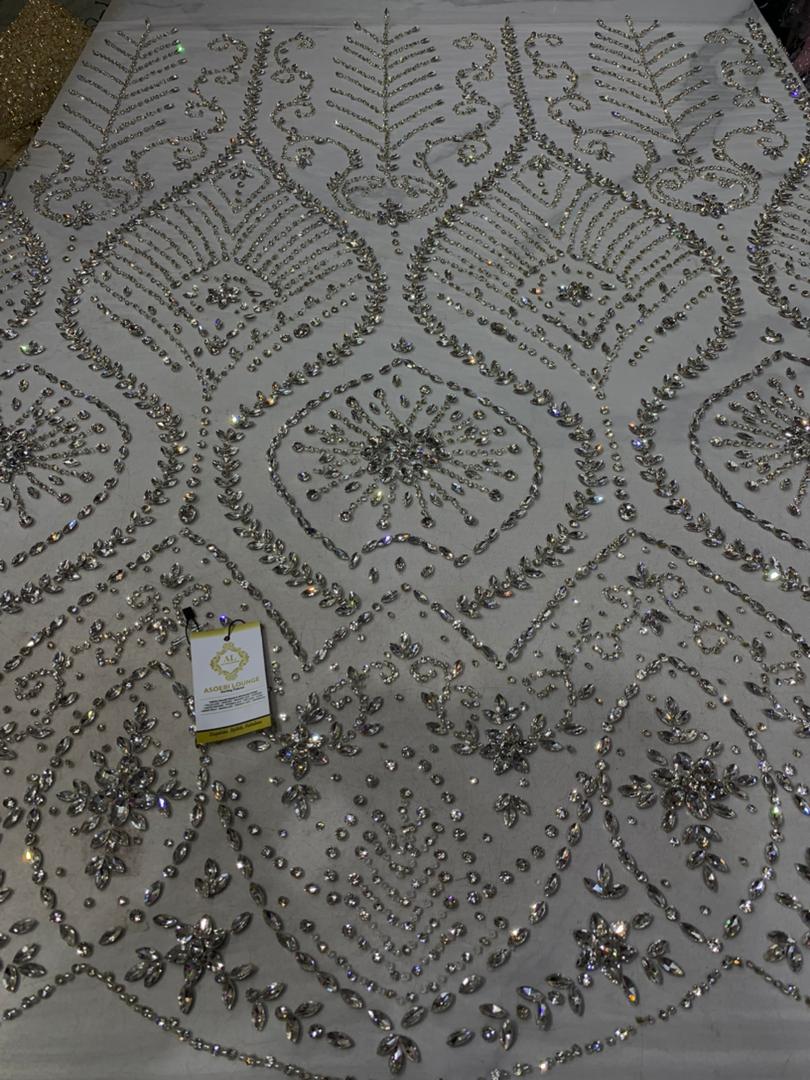
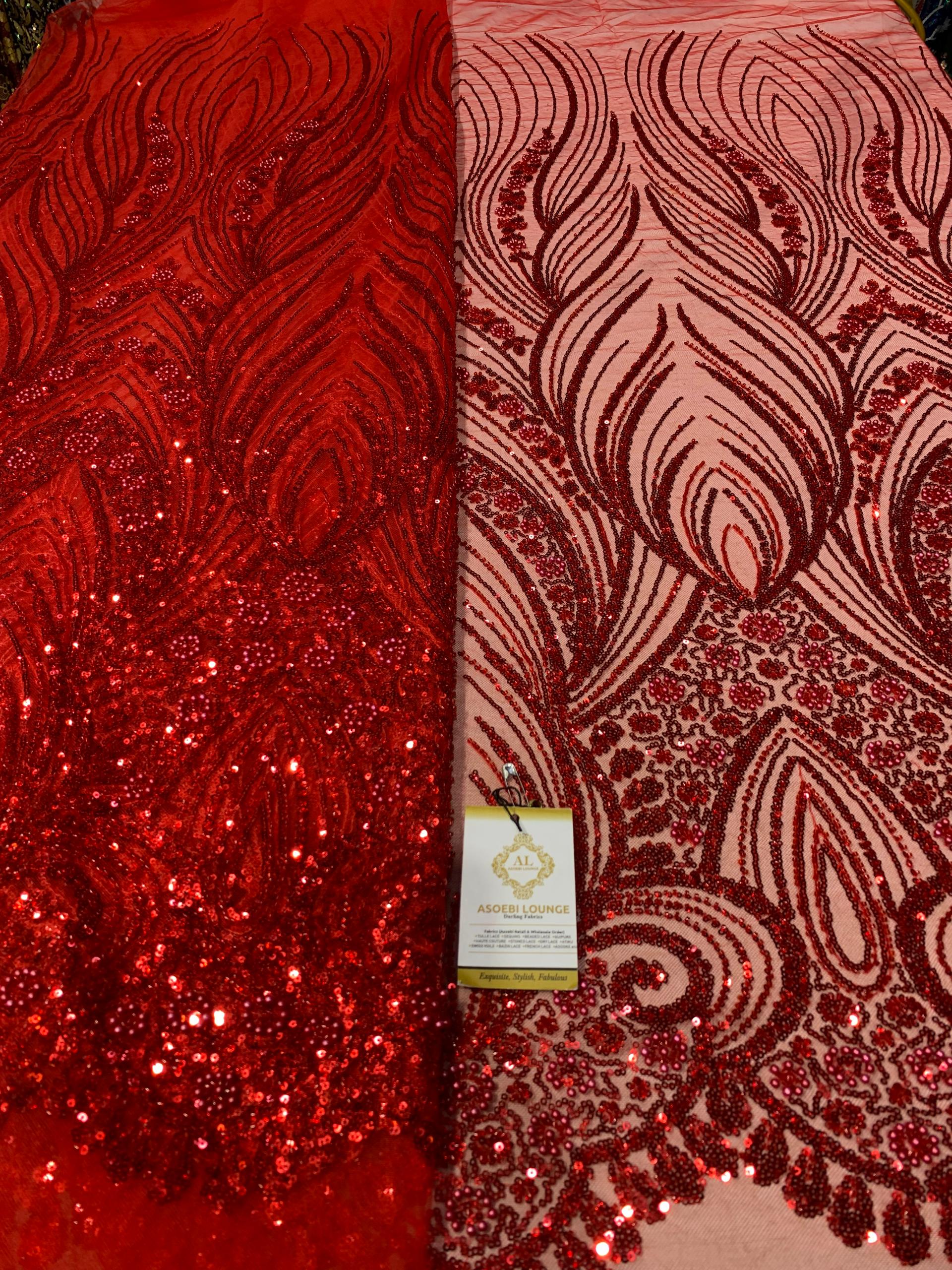
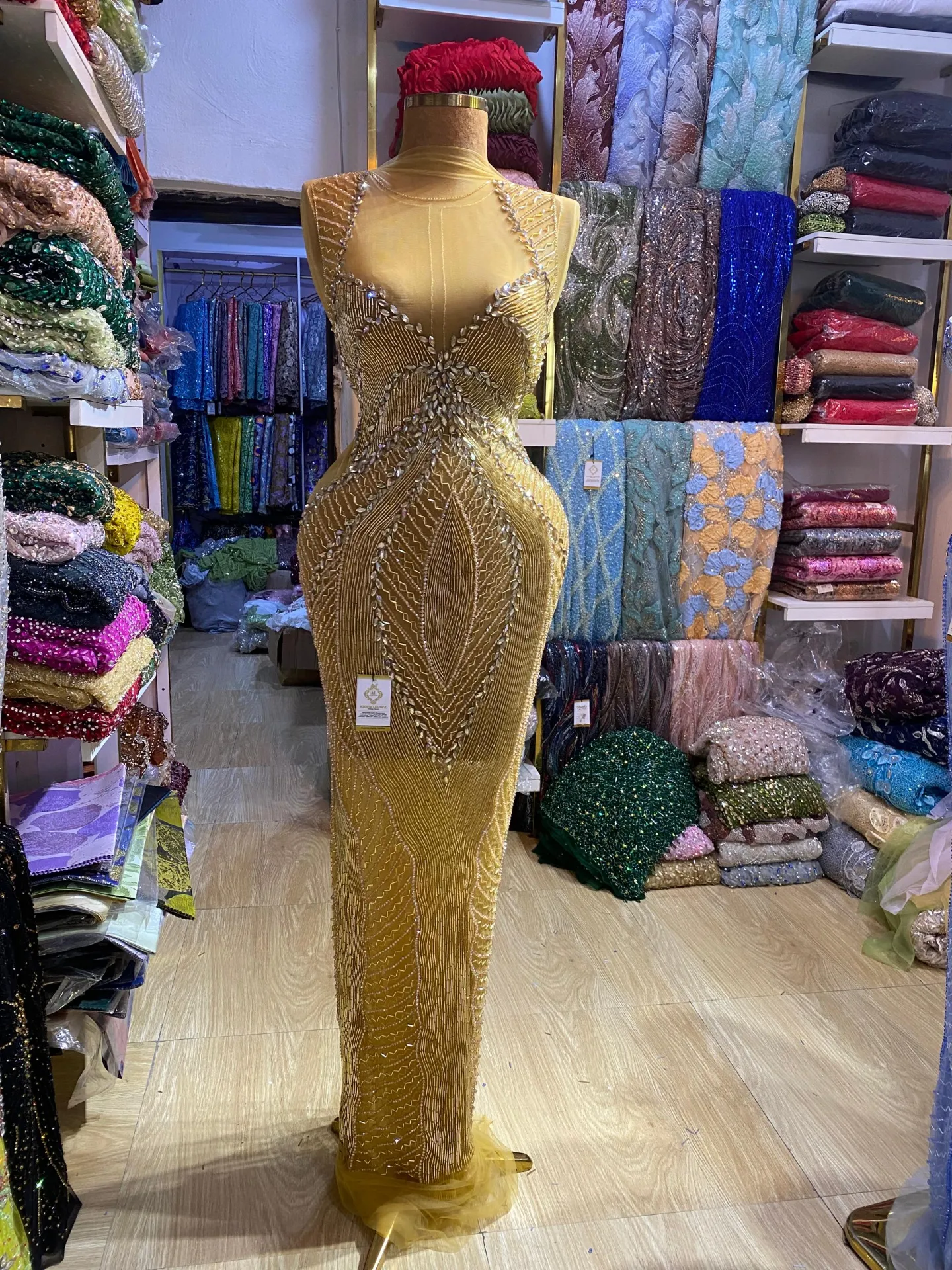
- Luxury Crystal & Sequin Lace: The top choice for high-glamour, red-carpet sparkle, illusion bodices, and show-stopping mermaid gowns.
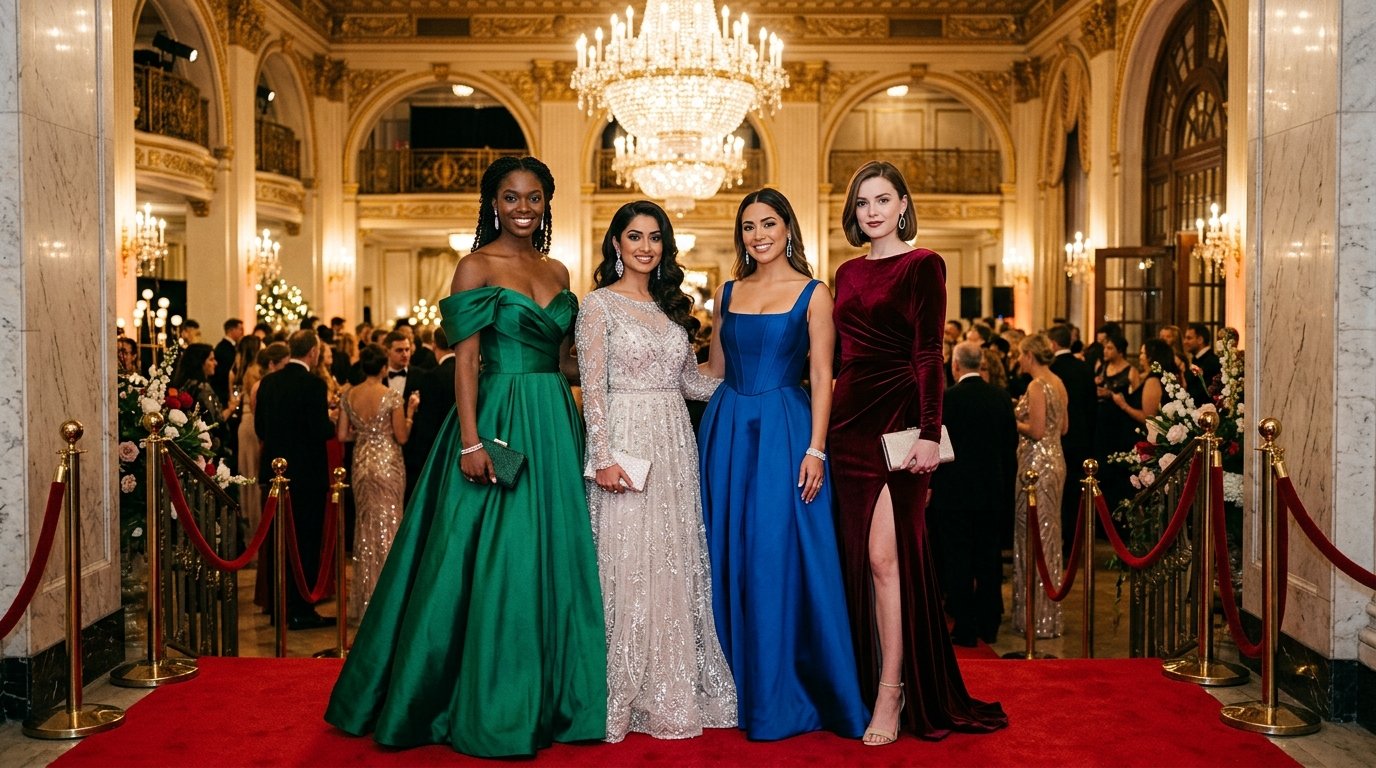
- Duchess Satin & Silk Charmeuse: Best for sleek, glossy Hollywood glamour, structured ballgowns, cowl-neck slip dresses, and pleated folds.
- Mikado Silk: The premier choice for royal, architectural gowns that hold crisp volume and structured waistlines without collapsing.
- Stretch Crepe: Ideal for clean, modern minimalist column gowns and bodycon mermaid silhouettes that offer effortless stretch and comfort.
- Beaded & Embroidered Lace: Perfect for romantic, vintage-inspired couture, floral motifs, and timeless elegance.
- Tulle & Organza: The ultimate materials for airy princess ballgowns, tiered flounces, and ethereal fairytale volume.
- Velvet: The go-to fabric for rich jewel tones, cold-season proms, and opulent Old Hollywood luxury.
The 7 Best Prom Dress Fabrics Ranked & Explained
Here is a detailed breakdown of the premier prom dress fabrics, their unique characteristics, and photo examples of each material in action:
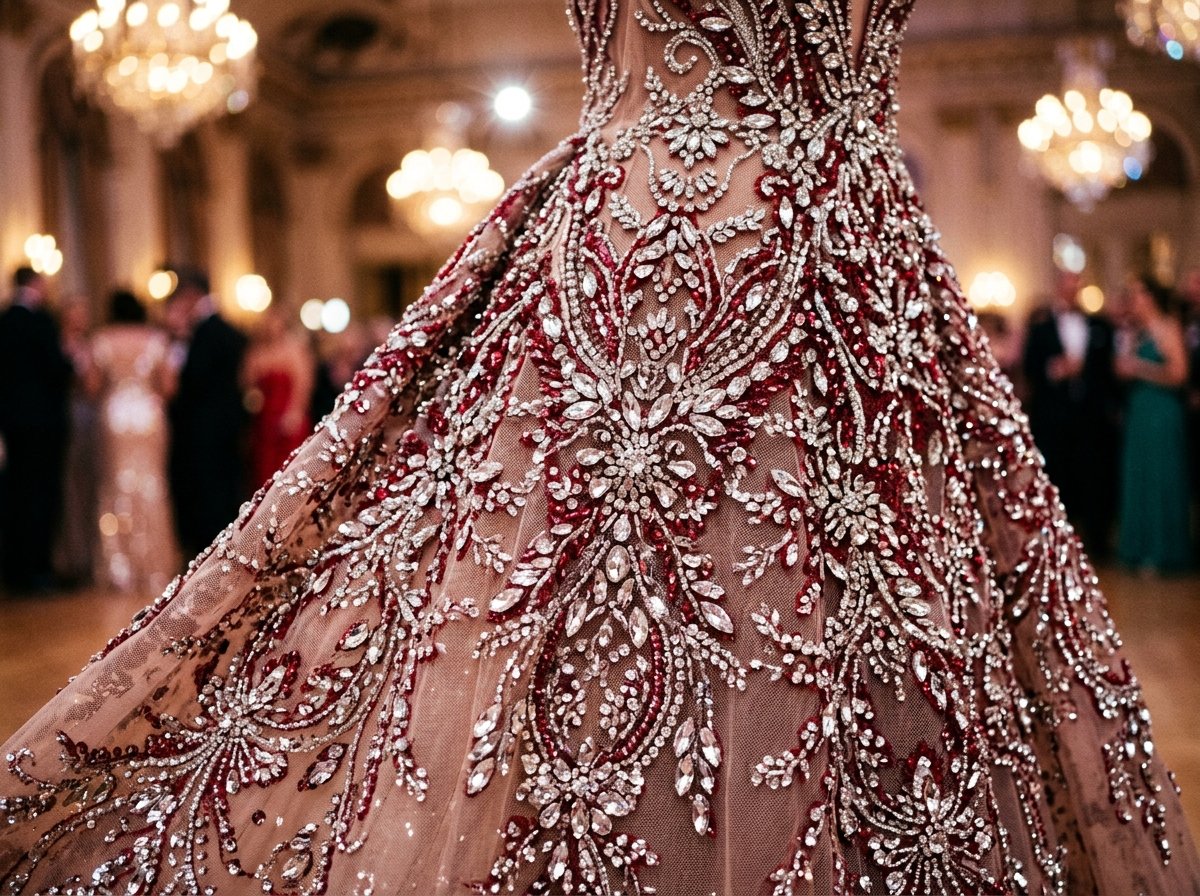
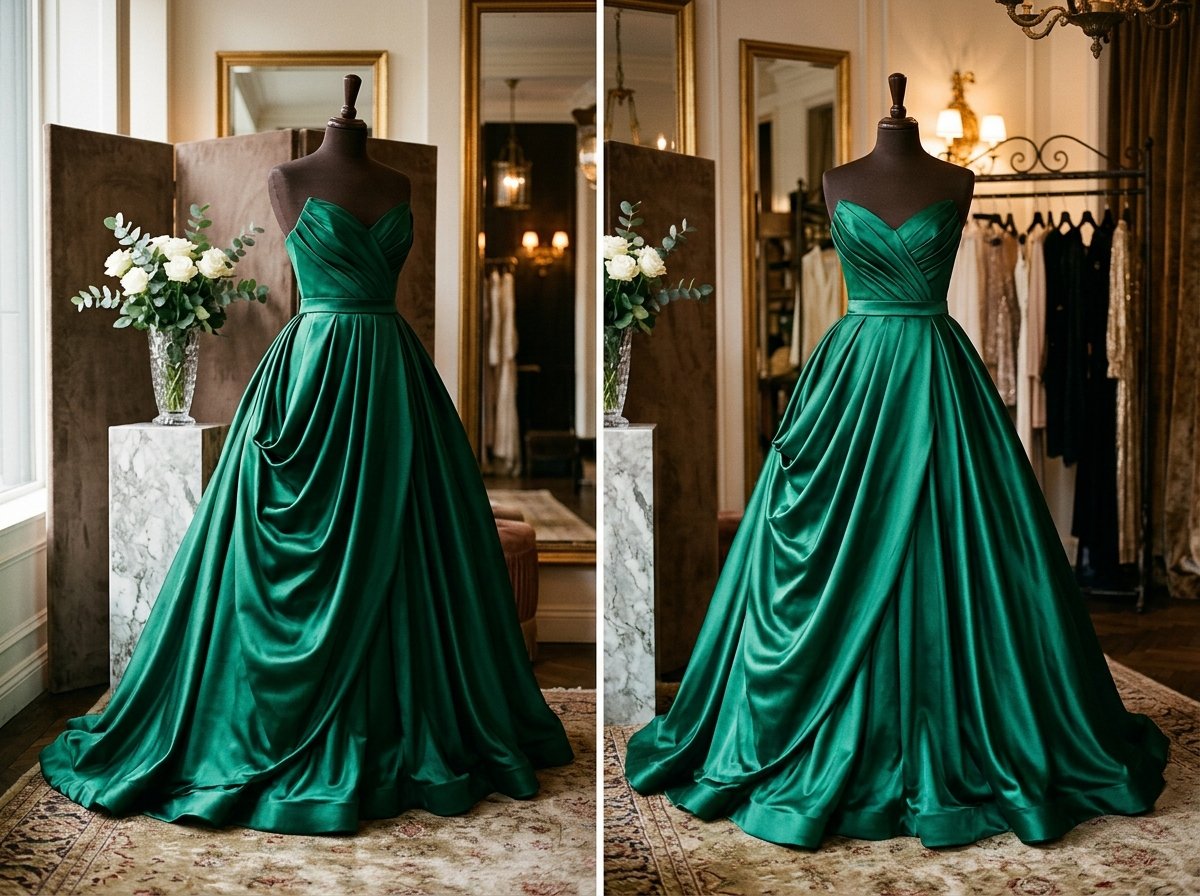
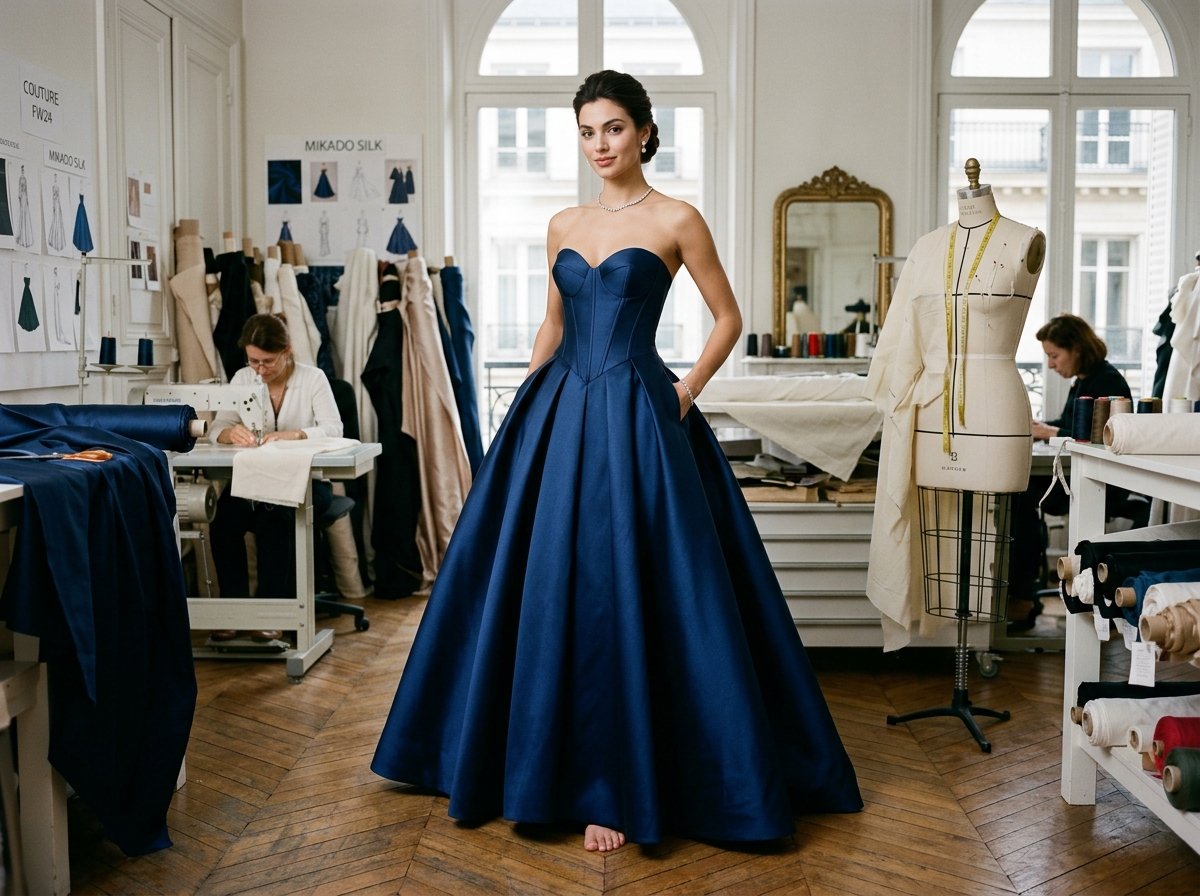
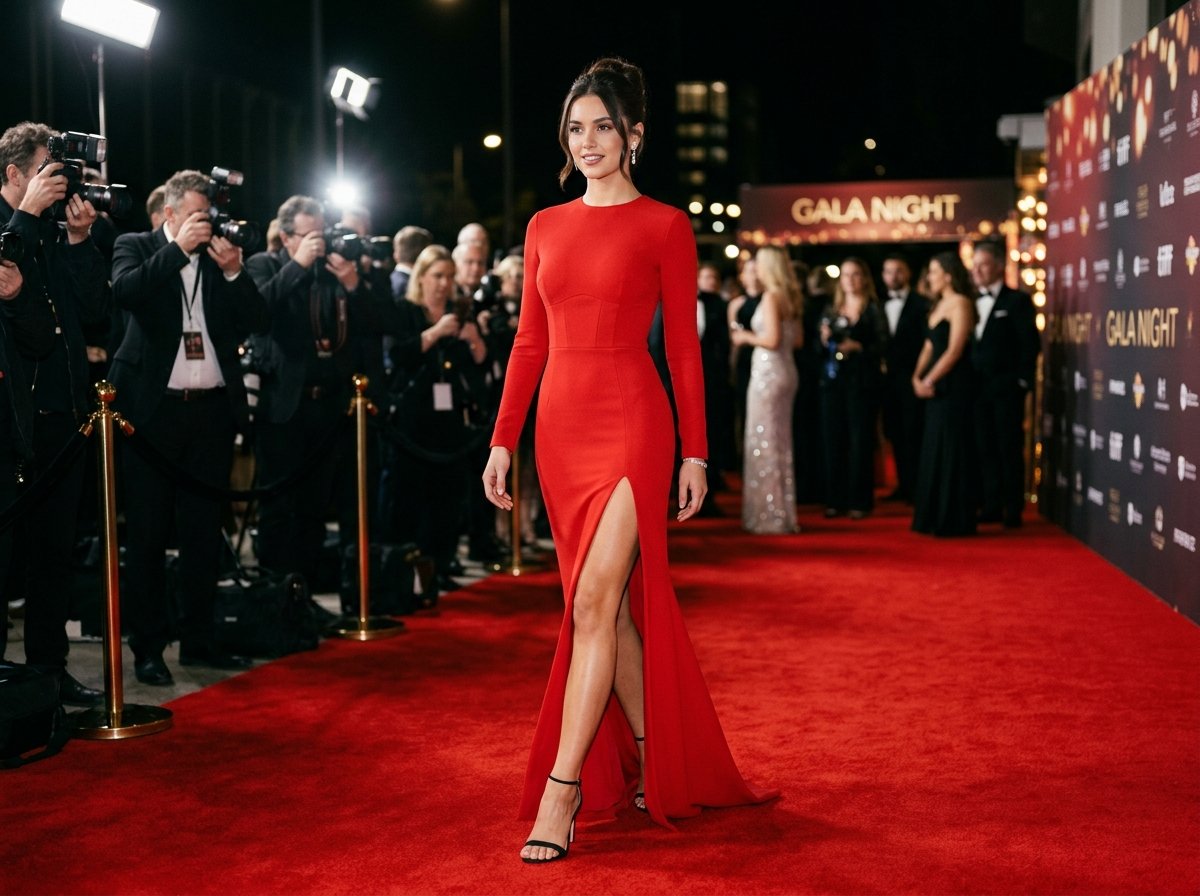
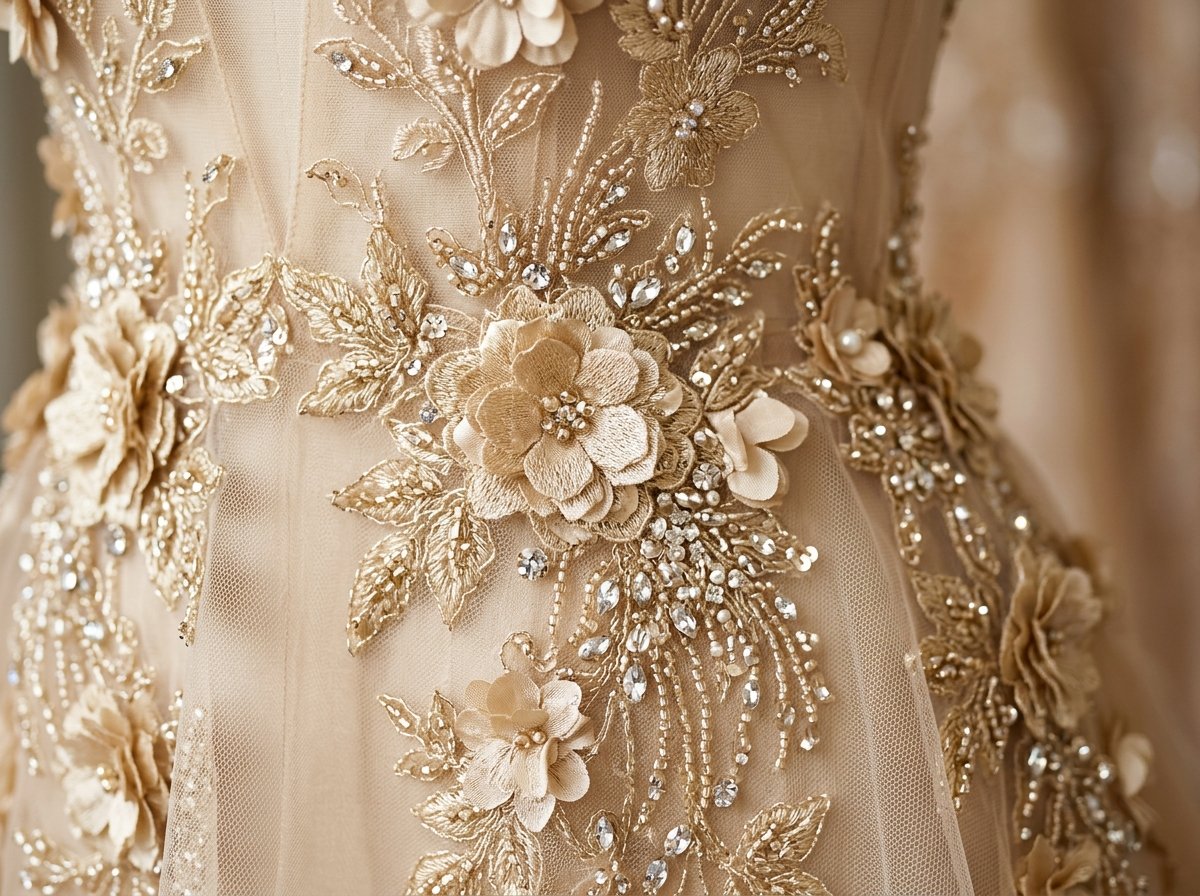
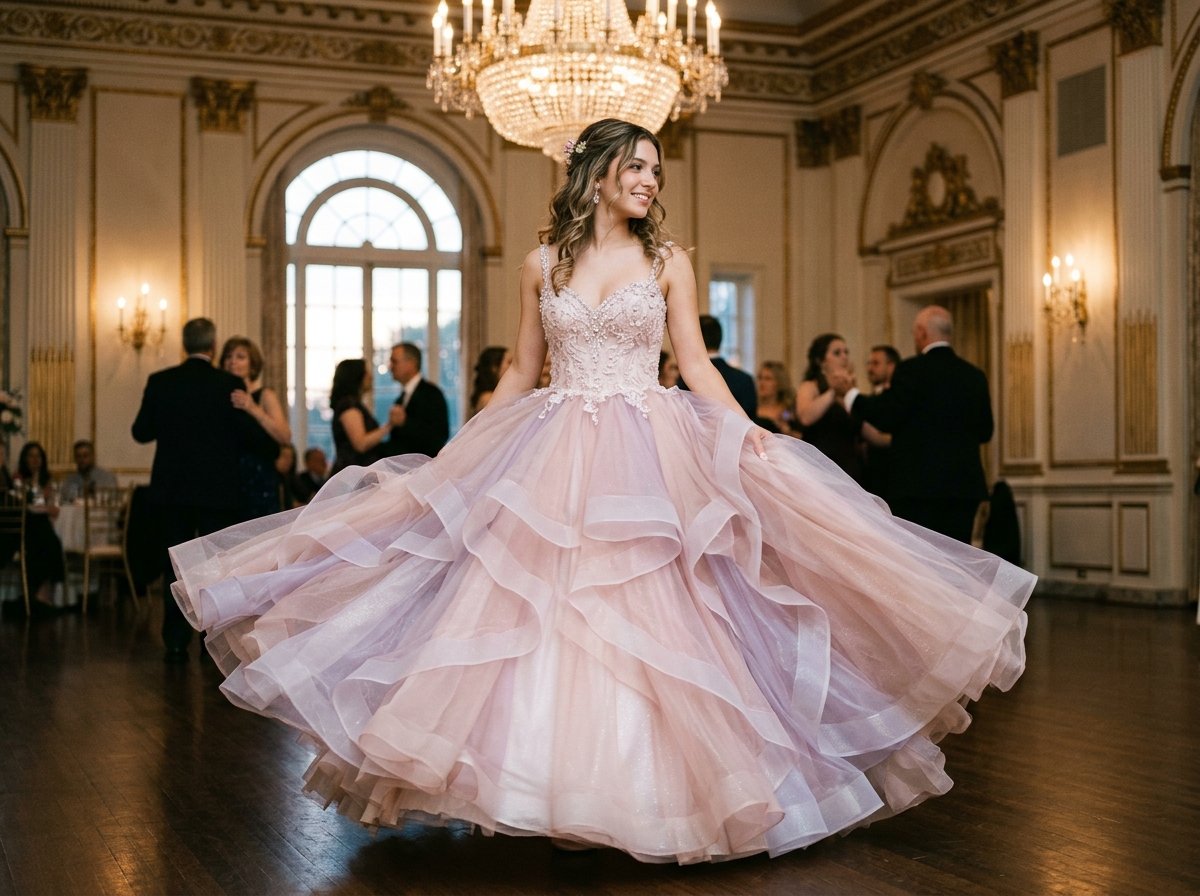
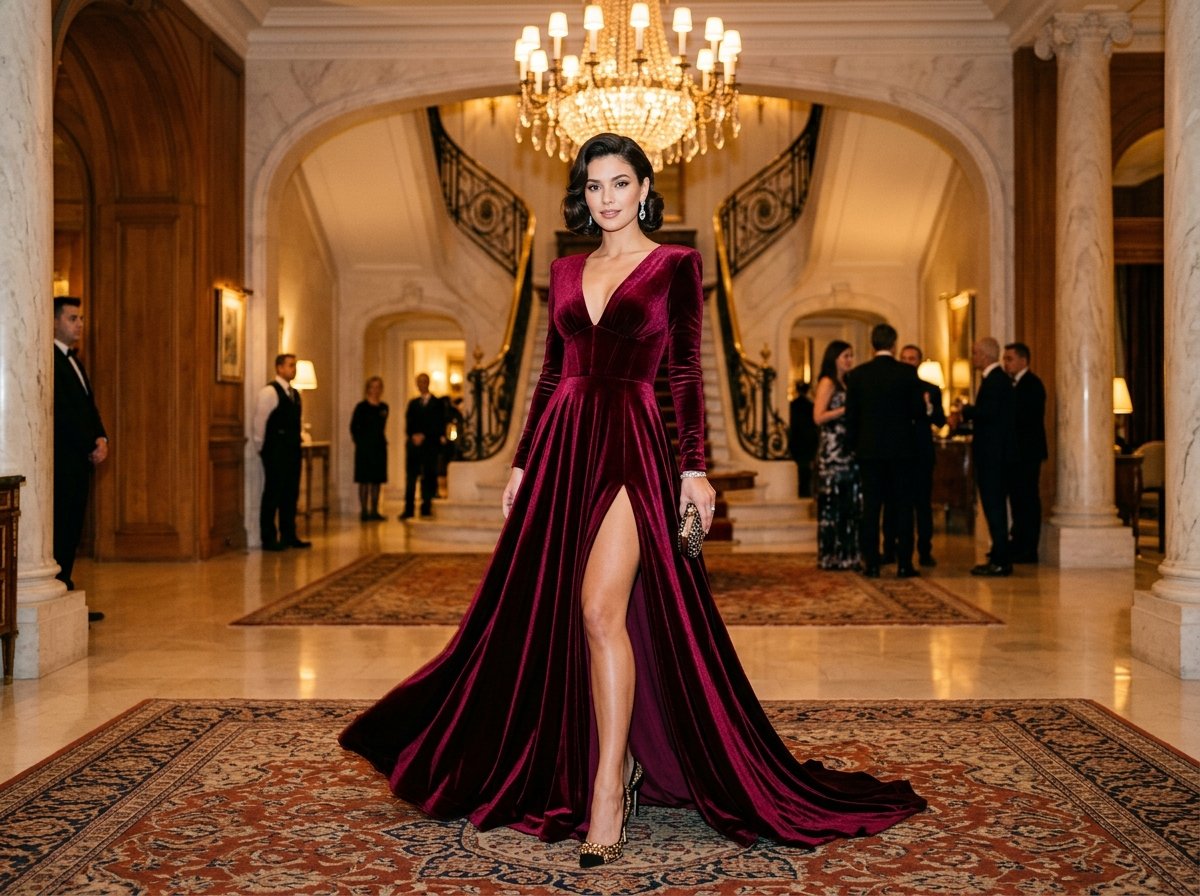
The secret to a million-dollar prom dress isn’t just the cut—it is the quality of the material. A well-constructed gown made from premium crystal lace or heavyweight duchess satin will always outshine mass-produced synthetic dresses.Ada Nwosu, Occasion Style Editor
Matching Your Prom Silhouette to the Right Material
To ensure your gown looks cohesive, match your intended silhouette with a fabric that has the correct weight and drape properties:
Prom Dress Silhouette & Material Pairing Guide
- Fitted Mermaid & Trumpet: Luxury Crystal Lace, Stretch Crepe, Duchess Satin, or Beaded Mesh with horsehair braid hem.
- Grand Ballgown & Princess Skirt: Mikado, Duchess Satin, Multi-Tiered Tulle, Brocade, or Shimmer Organza.
- Sleek Column / Slip Dress: Silk Charmeuse, Heavy Crepe, or Liquid Sequin Fabric.
- Classic A-Line Dress: Chiffon overlays, Soft Georgette, Beaded Lace Bodice with Tulle Skirt, or Duchess Satin.
- Corseted Illusion Gown: Crystal Beaded Mesh paired with nude illusion tulle and boned duchess satin base.
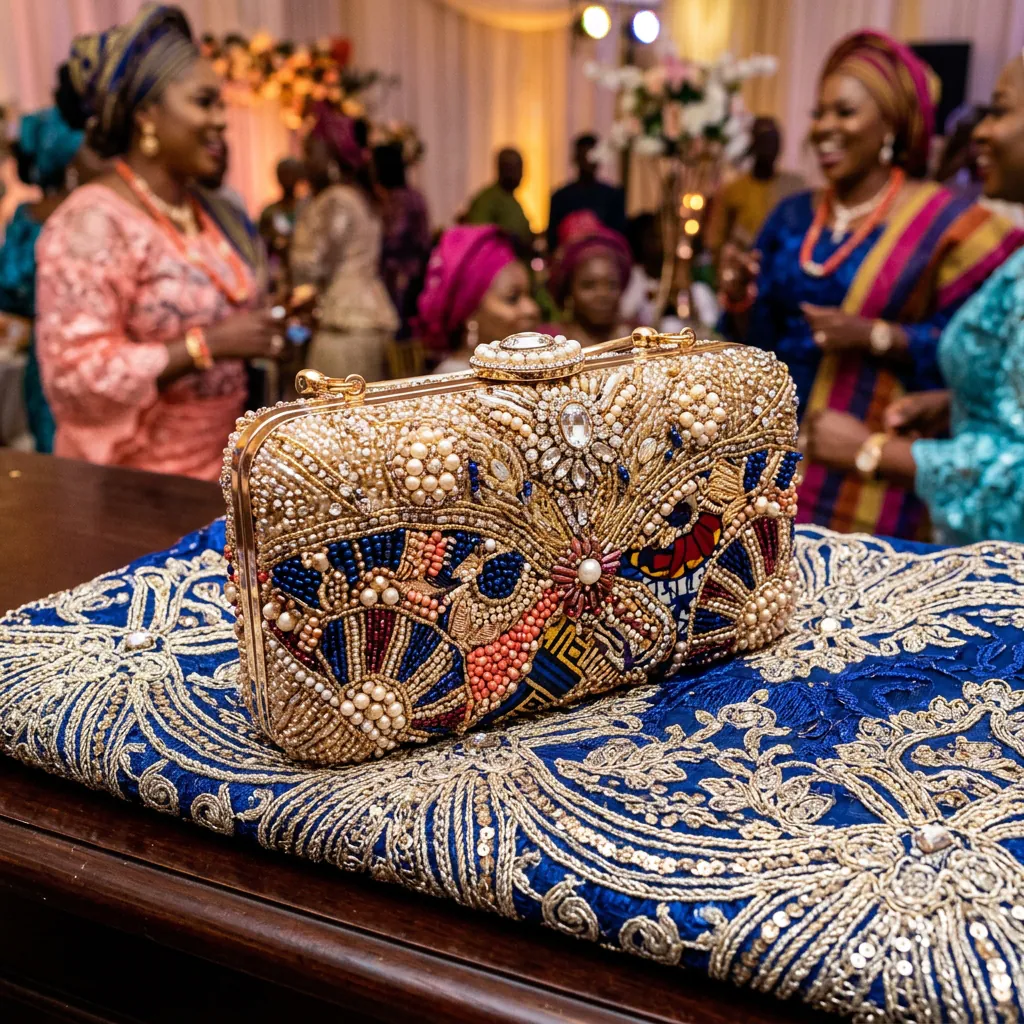
Shop Top Prom Dress Fabrics & Accessories
Recreate the editorial look with curated Darlings Fabrics picks.
Shop Collection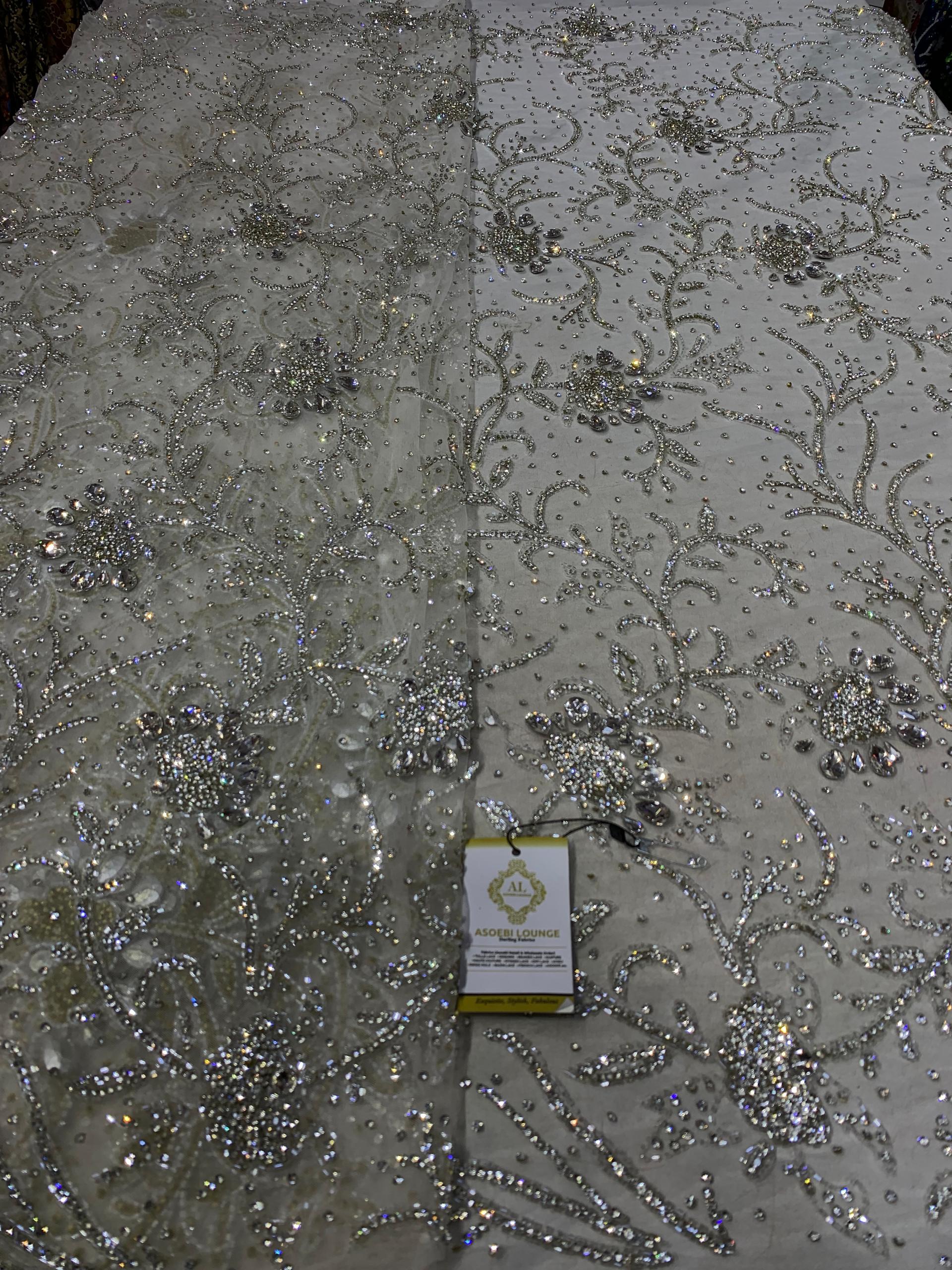
Prom Dress Material Comparison Table
Fabric Characteristics Comparison
- Crystal & Sequin Lace: High Shine | Medium-Heavy Weight | 2-Way Stretch on Mesh | Best for Mermaid & Sheath
- Duchess Satin: High Lustrous Gloss | Heavyweight | Minimal Stretch | Best for Ballgown, Mermaid & A-Line
- Mikado Silk: Subtle Luminous Matte | Heavy Structure | No Stretch | Best for Architectural Ballgowns & A-Lines
- Stretch Crepe: Matte Pebbled | Medium Weight | 4-Way High Stretch | Best for Bodycon, Sheath & Minimalist Gowns
- Beaded Lace: Textured Shimmer | Medium-Heavy | No Stretch | Best for Romantic Bodices & Full Overlays
- Tulle & Organza: Translucent Airiness | Lightweight | No Stretch | Best for Ballgown Skirts & Flounces
- Stretch Velvet: Deep Plush Sheen | Heavyweight | 2-to-4-Way Stretch | Best for High-Slit Bodycon & Winter Proms
Essential Underlayers: Lining, Mesh & Support Materials
A couture prom dress is only as good as its foundation. If you are buying prom dress material for bespoke tailoring, remember to calculate your internal architecture:
Essential Internal Architecture Checklist
- Base Lining (3.5 to 4.5 yards): Duchess satin, stretch poly-silk, or breathable rayon lining to shield skin from bead backing and provide 100% opacity.
- Illusion Mesh (1 yard): For illusion necklines, side-waist cutouts, and open-back stability.
- Horsehair Braid / Hem Tape (6 to 10 yards): Inserted inside the skirt hem to create voluminous, flowing wave ripples on the floor.
- Rigilene Corset Boning (3 to 5 yards): Sewn into bodice channels for a snatched waist and strapless security.
- Molded Bra Cups: Built into the gown so you do not have to worry about bra straps showing on prom night.
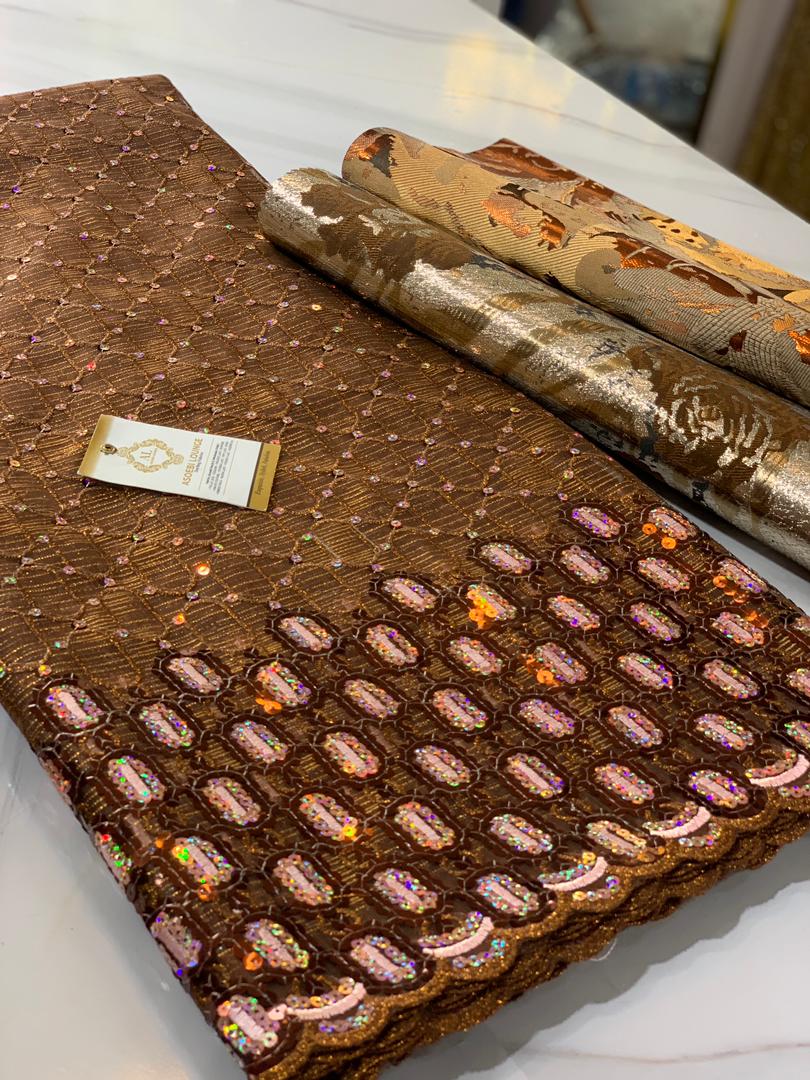
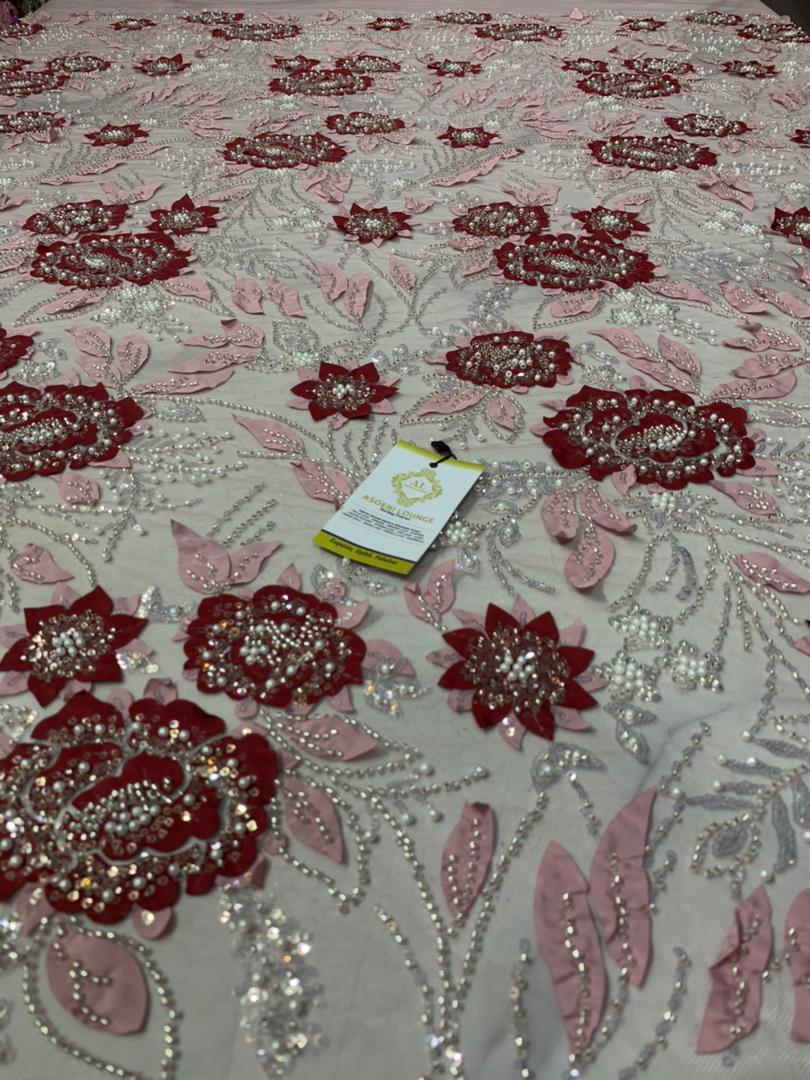
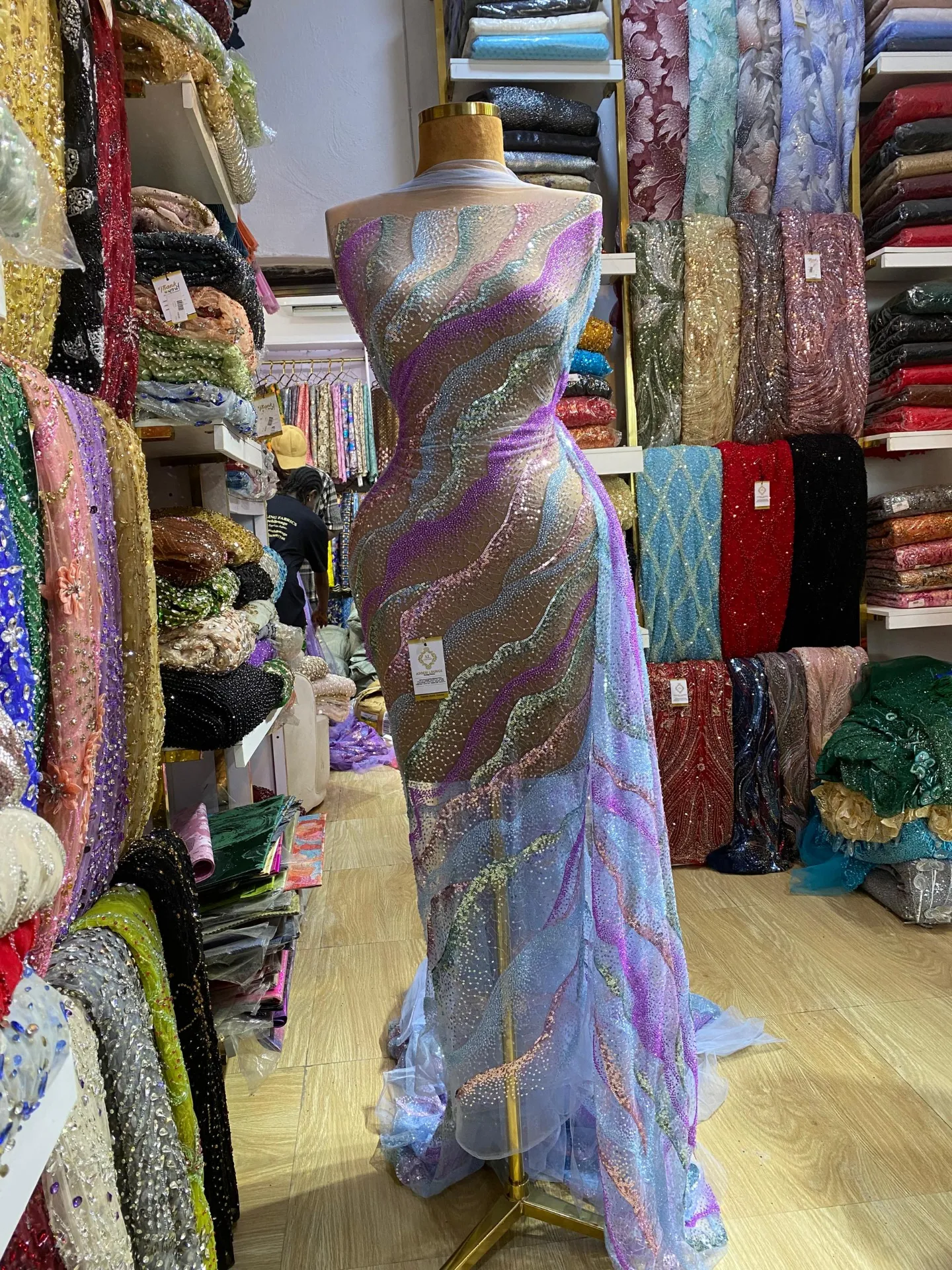
How Many Yards of Fabric for a Prom Dress?
Yardage depends on your dress silhouette and fabric width (58-60" standard vs 45" narrow):
Standard Prom Yardage Estimator
- Sleek Sheath / Slip Dress (60" Width): 3.5 to 4 yards
- Fitted Mermaid Gown (60" Width): 4.5 to 5.5 yards (add 1 to 2 yards for dramatic train)
- Classic A-Line Dress: 4.5 to 6 yards
- Voluminous Ballgown: 6 to 10 yards (plus 10-15 yards of tulle for underskirt volume)
- Gown with Statement Sleeves: Add 1 to 2 yards
Frequently Asked Questions About Prom Dress Materials
What is the most popular fabric for a prom dress?
The most popular prom dress fabrics are luxury crystal lace (for sparkling red-carpet drama), duchess satin (for sleek glossy elegance), and stretch crepe (for modern minimalist bodycon silhouettes).
What is the best fabric for a tight, fitted prom dress?
Stretch crepe, 4-way stretch sequin mesh, and beaded lace over stretch satin are the best fabrics for fitted gowns because they hug the curves comfortably while allowing you to sit, walk, and dance.
Is satin or silk better for a prom dress?
Duchess satin (often a high-grade silk or poly-silk blend) is usually preferred over pure delicate silk because it has greater weight, holds its shape better, wrinkles less during a long evening, and is more durable on the dance floor.
How do I stop my prom dress fabric from being itchy?
Beaded and sequined fabrics can scratch delicate skin around the arms and chest. Ensure your tailor lines the entire interior with soft bridal poly-silk or stretch rayon and trims sequins along the underarm seam allowance.
What fabric looks best in prom photos?
Fabrics with dimensional texture—such as crystal lace, micro-sequins, and heavyweight duchess satin—photograph best because they catch light dynamically without creating cheap plastic glare or appearing sheer under flash.
How much does prom dress fabric usually cost?
Prom dress material ranges from premium stretch crepes and satins to high-end luxury crystal and beaded laces. Purchasing high-quality fabric for a custom gown ensures you get a bespoke fit and unique design that no one else at prom will be wearing.
Summary: Choose Your Prom Dress Material with Confidence
The best fabric for a prom dress is the one that makes you feel confident, radiant, and effortlessly comfortable from the red-carpet entrance to the final dance. Choose a material that highlights your personal style, consult your tailor early with your silhouette sketch, and prepare to make an unforgettable entrance.
Sources and Further Reading
Eveningwear & textile references
- Vogue: The History and Evolution of Eveningwear Textiles - Editorial overview of satin, velvet, and couture lace in evening fashion.
- Harper's Bazaar: Prom & Red-Carpet Fabric Trends - Trend forecast on crystal embellishments, corset styling, and liquid satin.
- Fabric for Fashion: The Complete Guide to Textiles - Technical guide on weave, drape coefficients, and yarn weight.