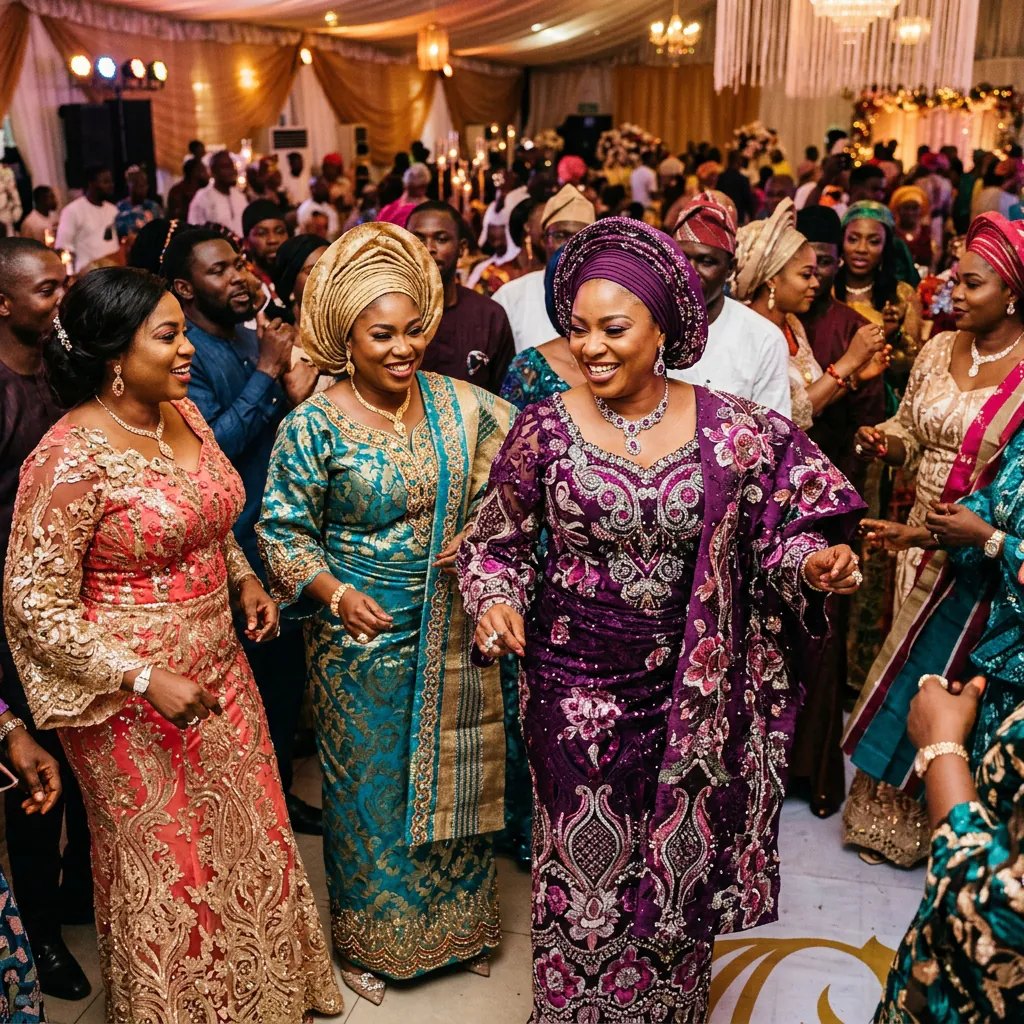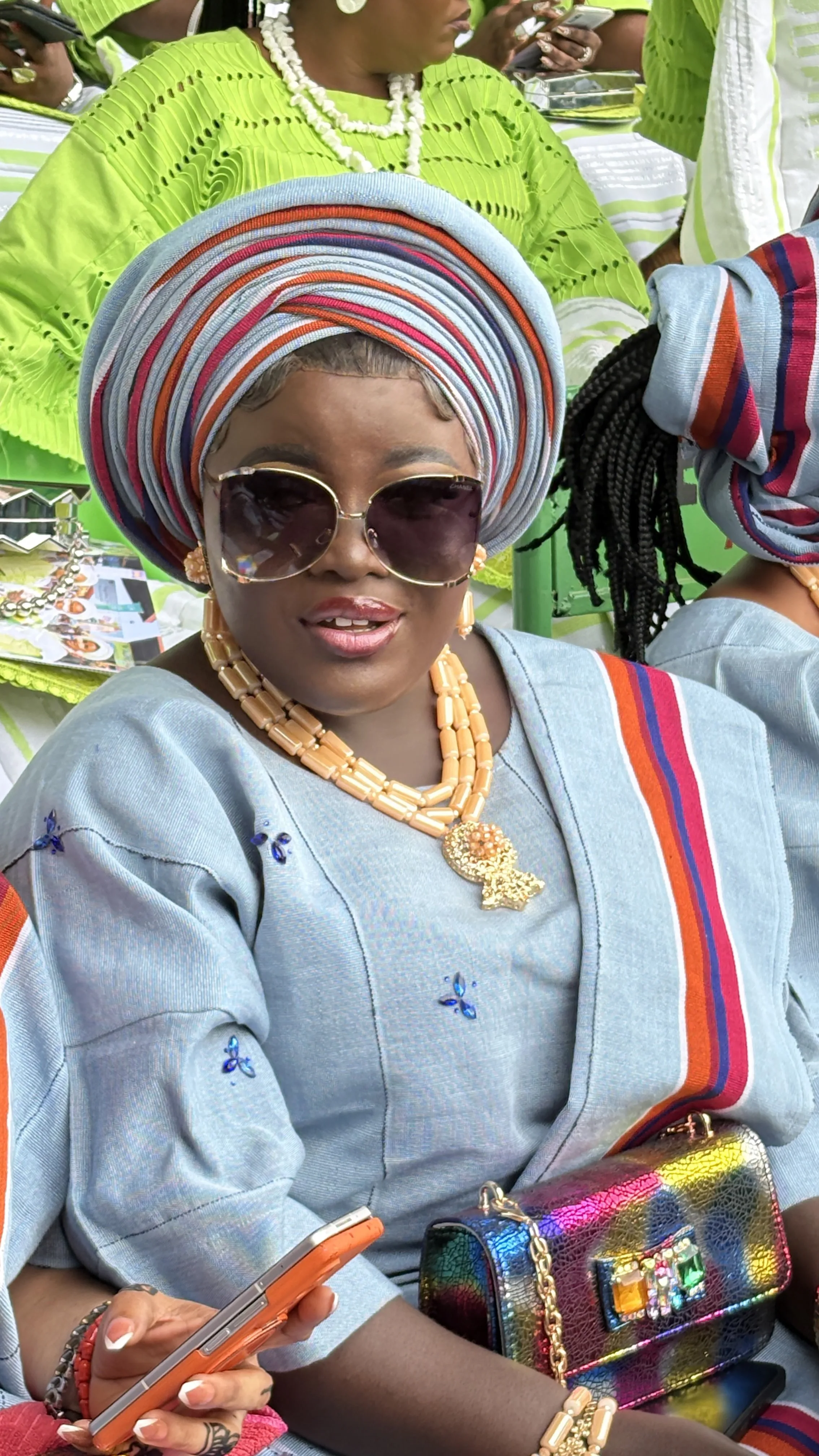
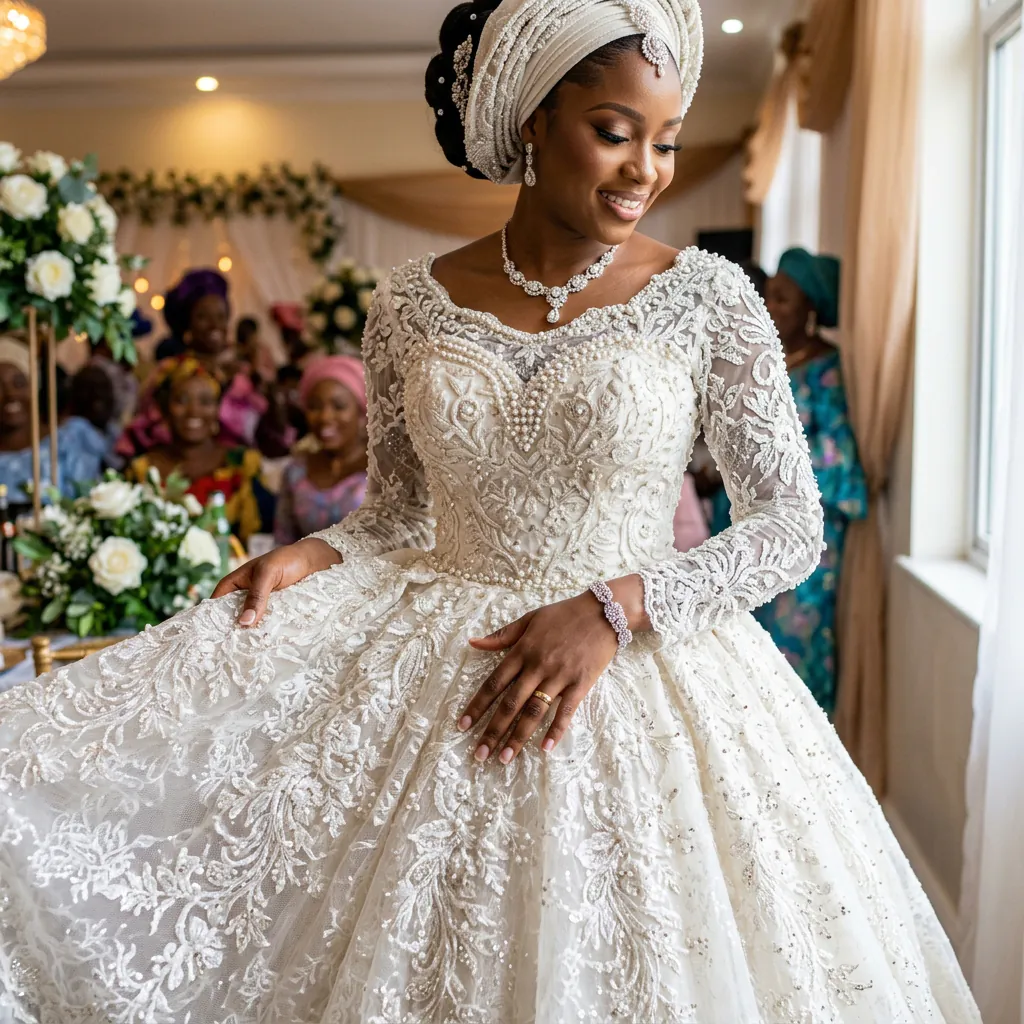
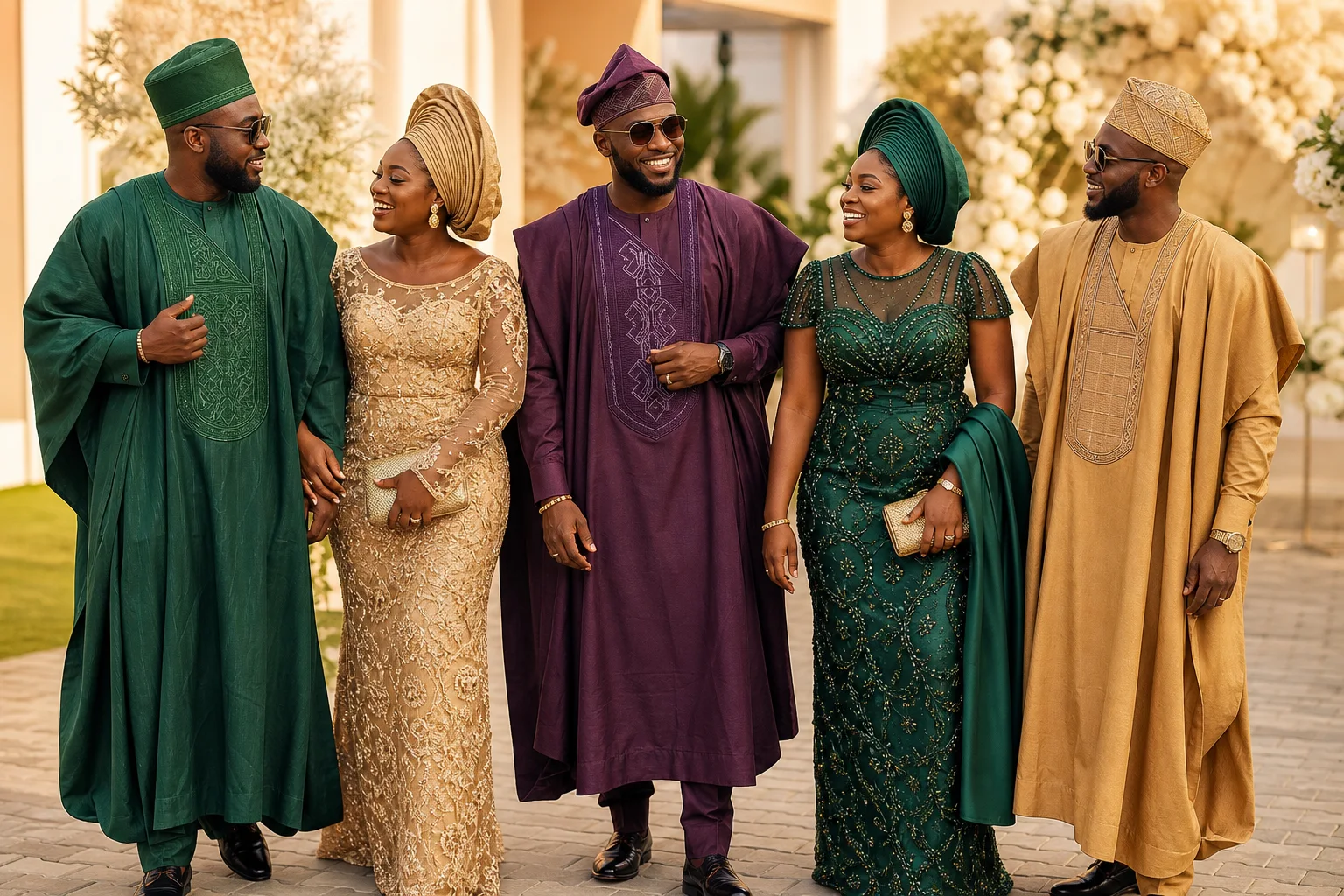
What should you wear to a Nigerian wedding? Start with the invitation. If the couple has supplied asoebi, a colour code or a cultural dress request, follow it as closely as you can. Otherwise, choose polished occasionwear that suits the ceremony, venue and weather. Nigerian weddings often welcome colour, tailoring and expressive accessories, but the strongest guest outfit still respects the couple, photographs well and remains comfortable through greetings, dining and dancing.
This guide is for local guests, diaspora visitors and anyone attending a Nigerian wedding for the first time. It covers traditional ceremonies, religious or civil weddings and receptions, with practical advice for women and men. Customs vary between families and communities, so treat the hosts’ instructions as the final authority whenever they differ from general guidance.
The quick answer
- Read the invitation for asoebi, colour and formality instructions before shopping.
- Ask the couple or coordinator when a cultural detail is unclear.
- Choose formal, well-tailored clothing that lets you sit, greet people and dance comfortably.
- Avoid wearing the couple’s reserved colours unless you have been invited to do so.
- Complete your outfit early enough for tailoring, fittings and alterations.
- Keep accessories coordinated rather than matching every item exactly.
- Bring a light layer or change of shoes when the venue or schedule requires it.
Check the Nigerian Wedding Dress Code First
A Nigerian wedding may include an introduction, traditional ceremony, civil ceremony, religious service and reception on separate days. One outfit will not necessarily suit every part of the celebration. A traditional ceremony may invite native attire or coordinated fabric, while a church, mosque or civil ceremony may call for a more restrained silhouette before a glamorous reception look.
Look for four details on the invitation: the event type, stated level of formality, requested colour and whether asoebi is available. If the message contains a fabric collection point, payment deadline or coordinator’s number, do not substitute a similar-looking textile without asking. Small differences in colour and pattern become visible in group photographs.
What Is Asoebi, and Do Guests Have to Wear It?
Asoebi is coordinated cloth or attire worn by a family, friendship group or community at a celebration. Wearing it can communicate connection and support, but participation rules differ from event to event. If you were offered the official fabric, confirm whether buying it is expected, optional or limited to a particular group before committing.
If you cannot purchase the asoebi, respond early and politely. The coordinator may approve an outfit in the same colour family, suggest a more accessible fabric tier or confirm that ordinary formal wear is welcome. Arriving respectfully dressed is better than purchasing late from an unverified source and receiving a fabric that does not match the group.
What Women Can Wear to a Nigerian Wedding
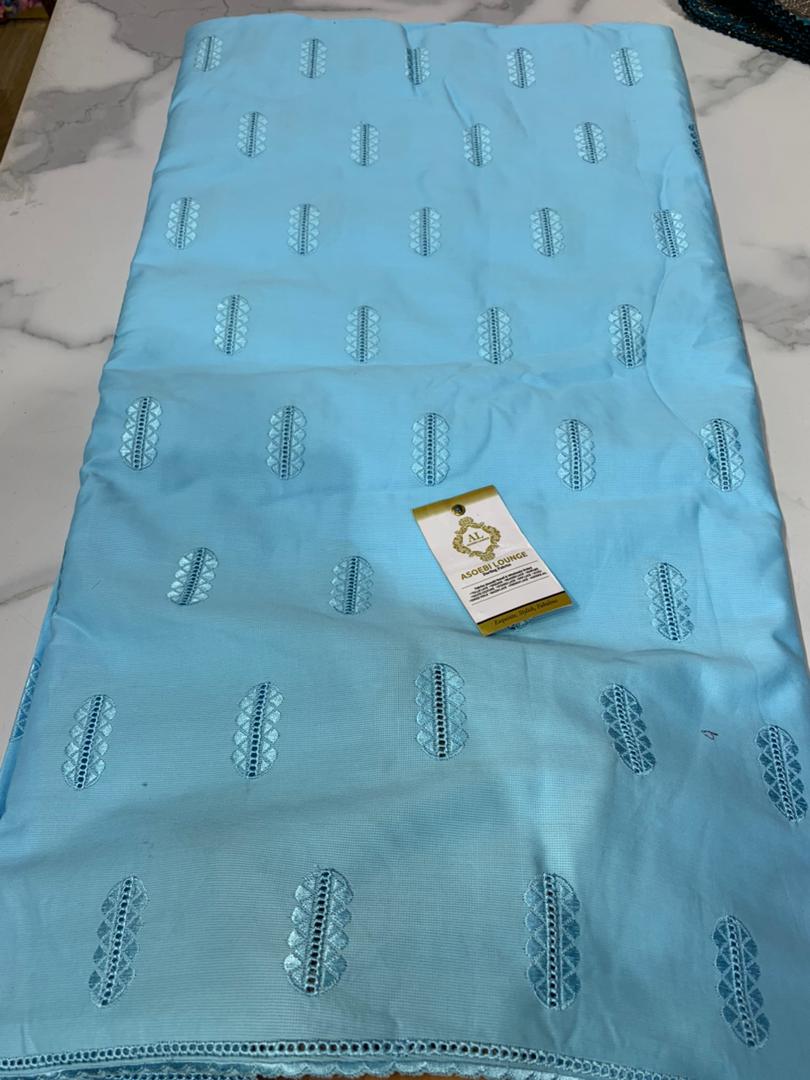
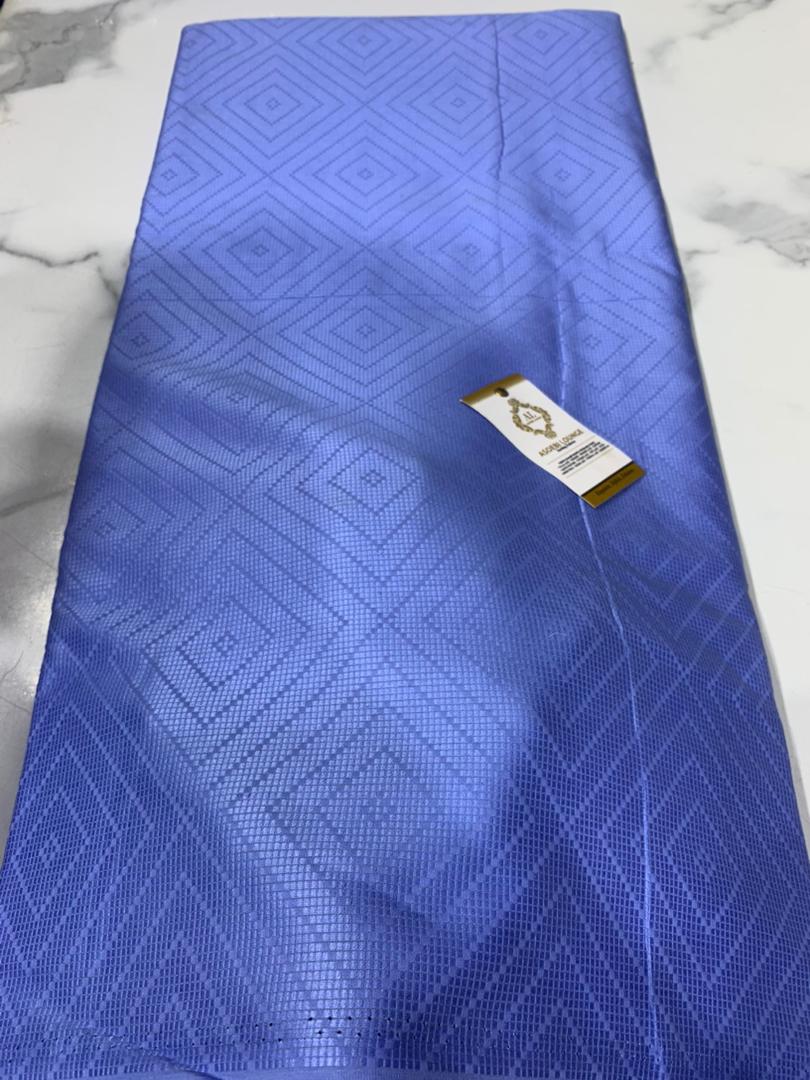
For a traditional ceremony or reception, women can wear lace, embroidered net, brocade, ankara, aso-oke details or another formal fabric approved by the hosts. Popular silhouettes include gowns, wrappers with blouses, iro and buba, kaftans and structured two-piece looks. The right style depends on the material, the wearer and the event rather than one compulsory shape.
Choose a neckline, sleeve and hem that suit the ceremony as well as the reception. A religious venue may require more coverage than an evening party. If the day includes both, plan a detachable layer, scarf or refined jacket so the outfit can adapt without a full change.
Test the finished outfit by sitting, walking, raising your arms and climbing a step. Secure heavy embellishment, check that the lining is comfortable and confirm that the hem clears your shoes. A striking gown loses its effect when the wearer has to hold it together throughout the celebration.
Shop Wedding-Guest Fabrics
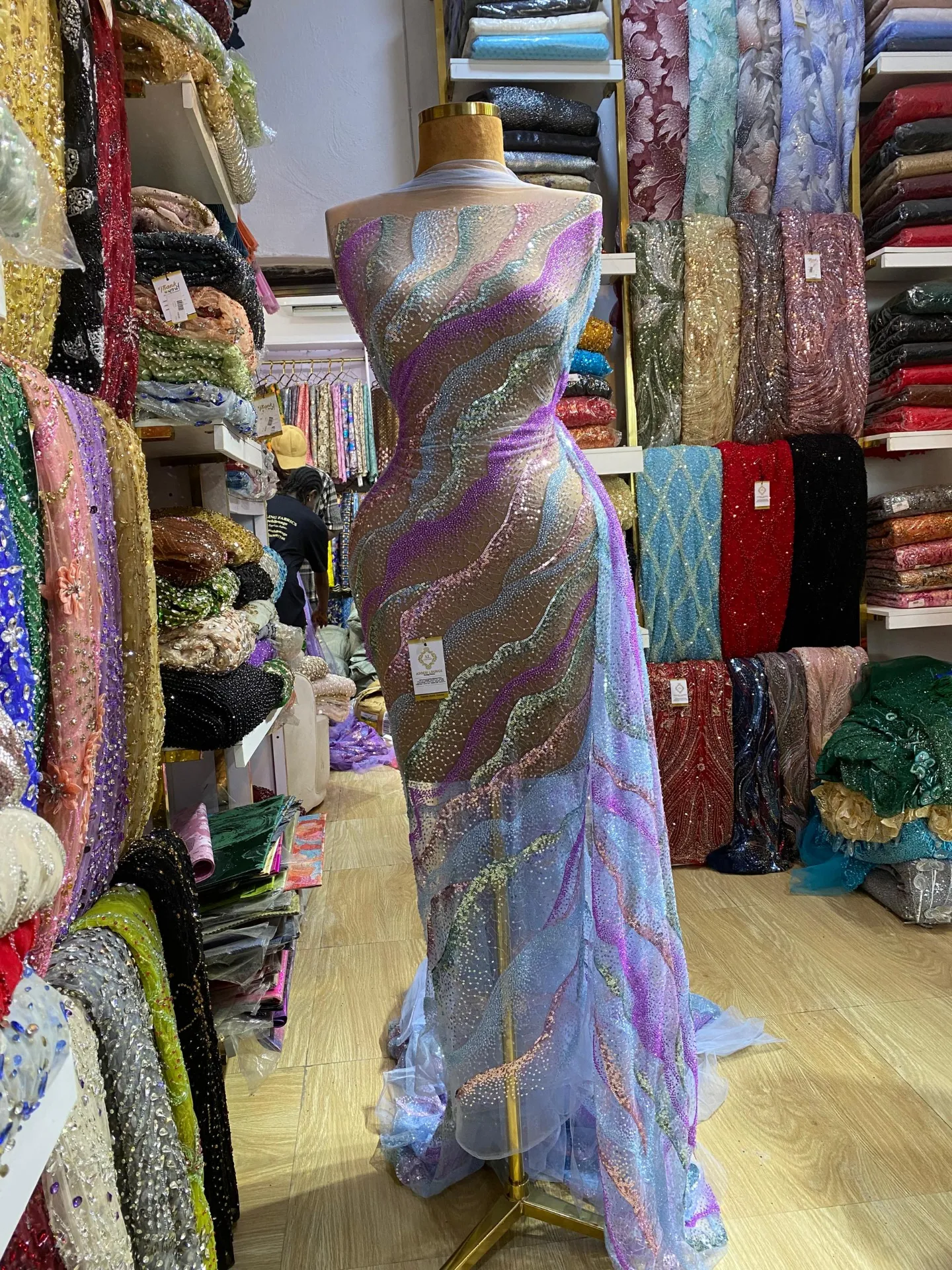
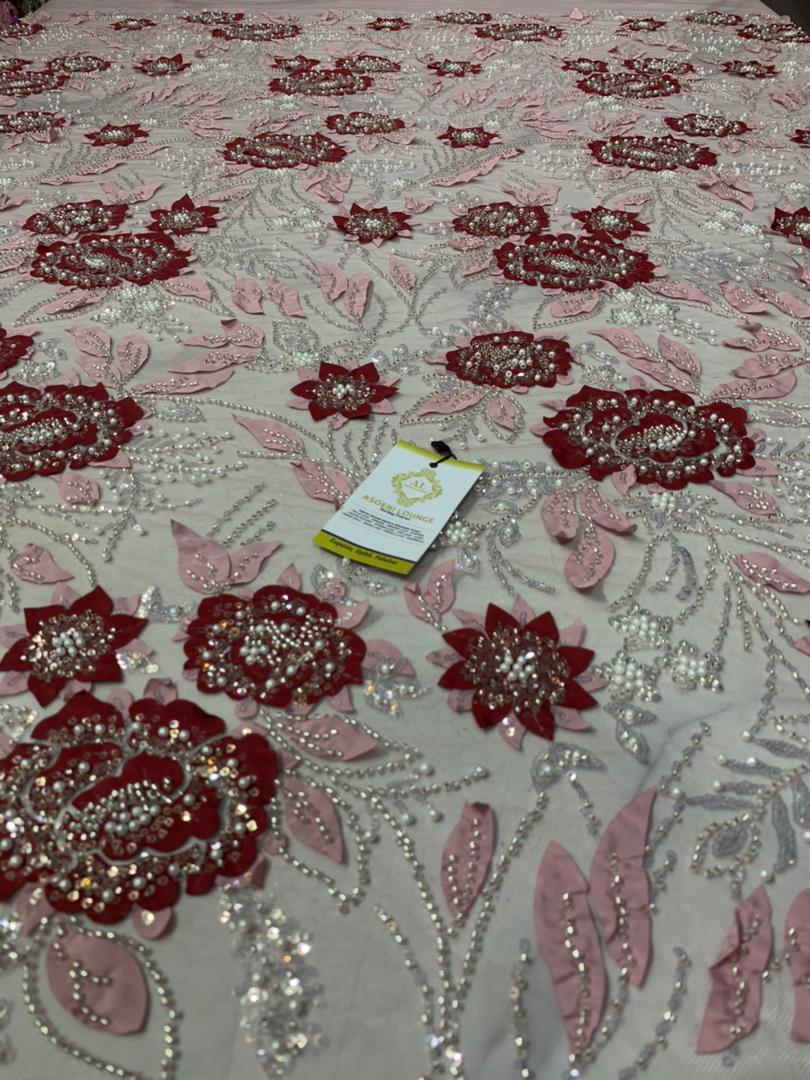
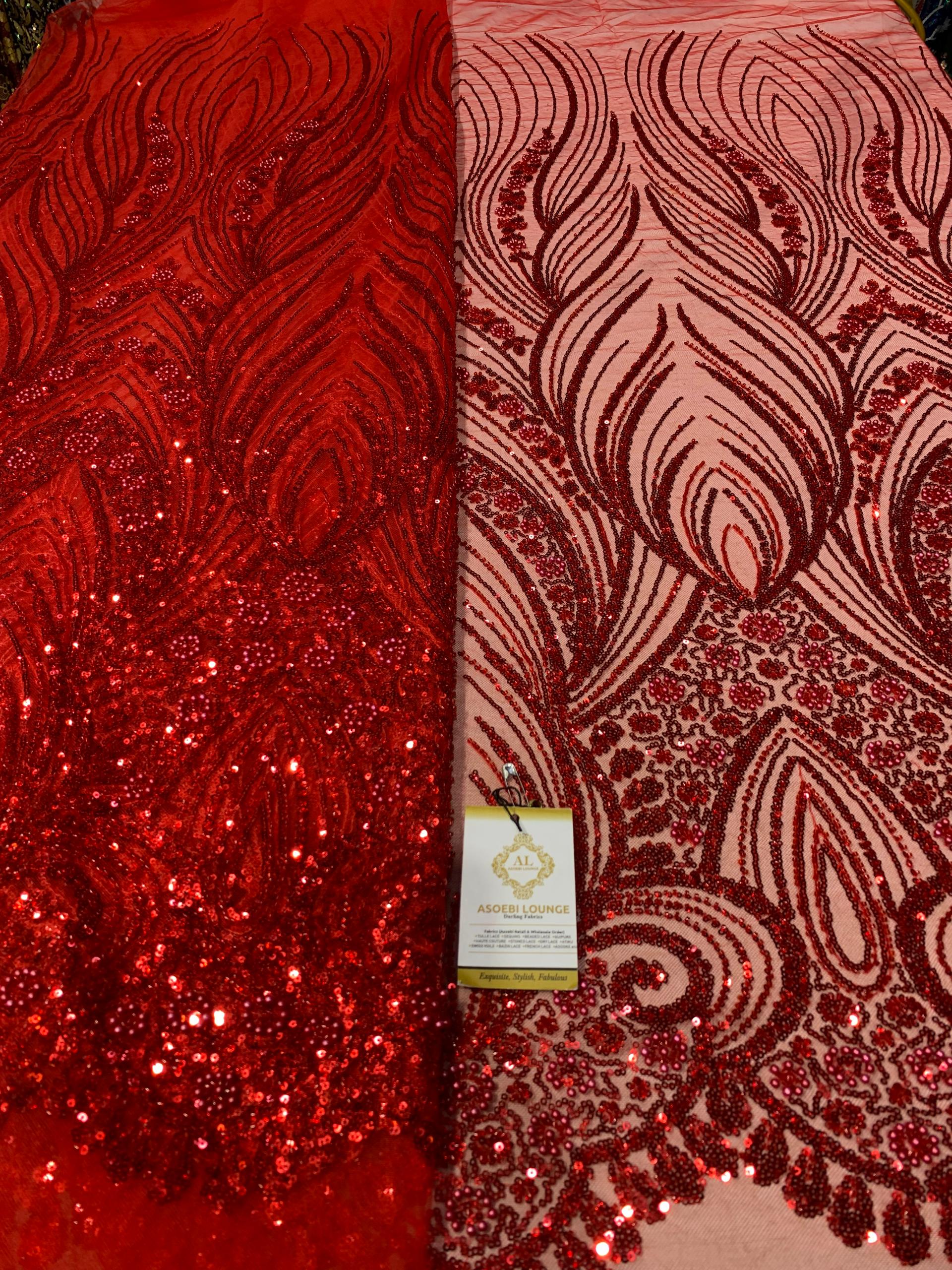
Recreate the editorial look with curated Darlings Fabrics picks.
Shop Collection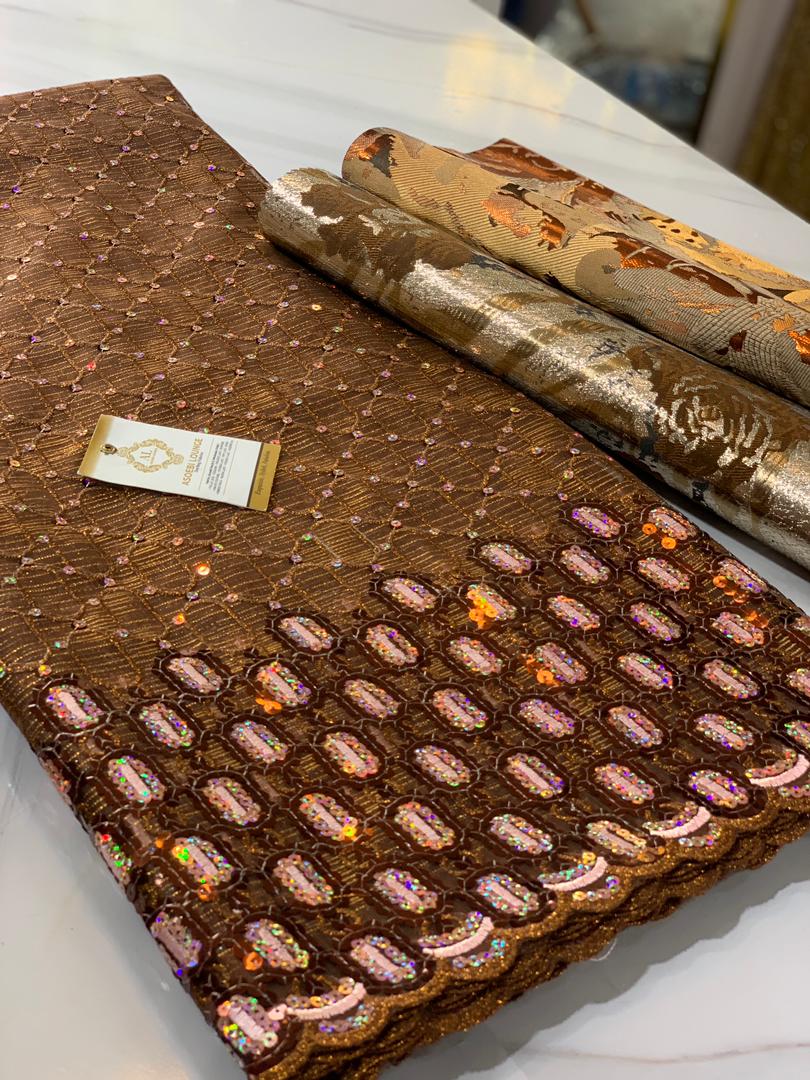
What Men Can Wear to a Nigerian Wedding
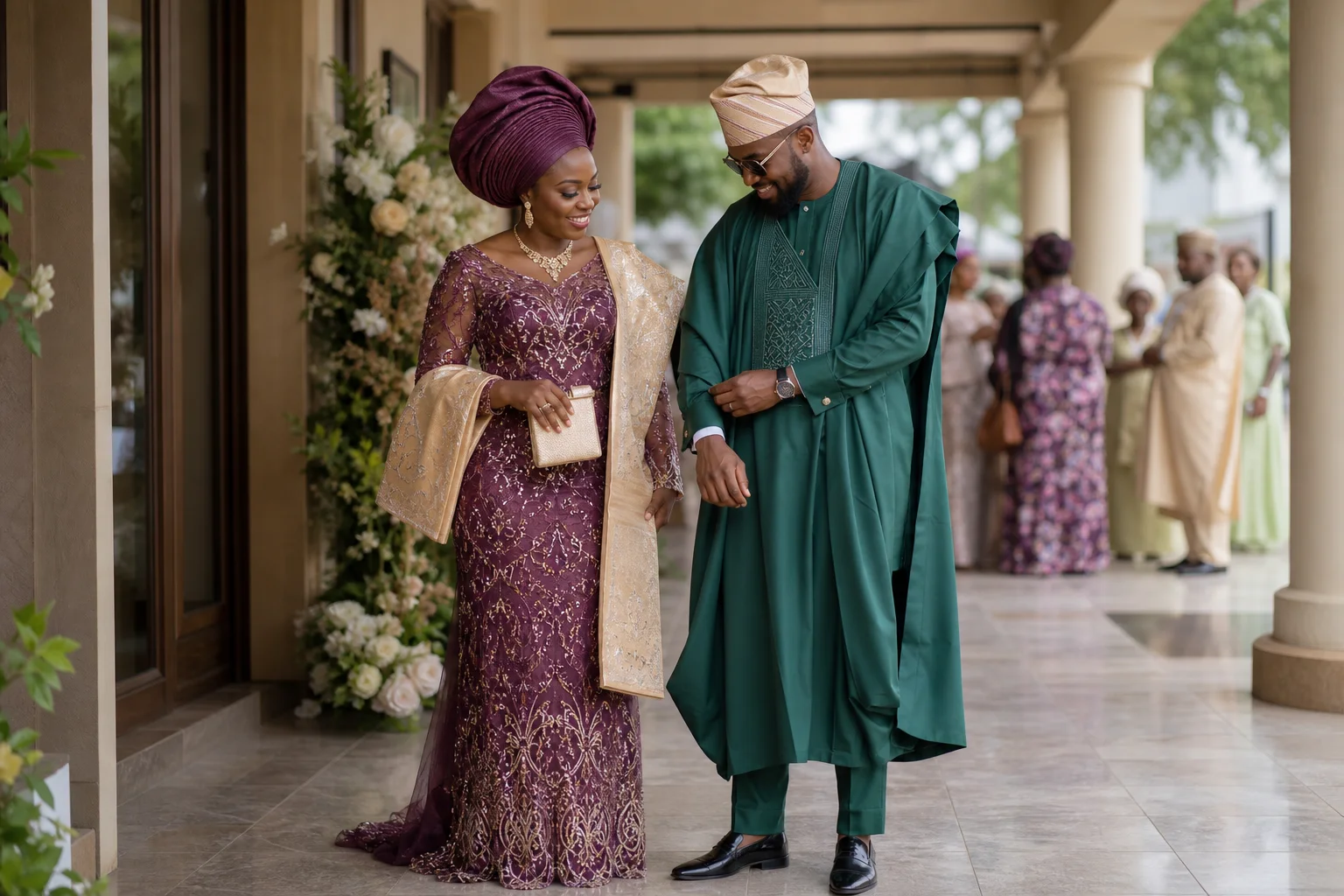
Men can choose agbada, kaftan, senator-style attire, a well-cut native set or a formal suit, depending on the invitation. For coordinated traditional wear, repeat the approved colour in the fila or cap, embroidery, inner garment or accessories. The pieces should relate without turning into an exact head-to-toe block of one bright tone.
Fit and fabric weight matter. The shoulder line should sit cleanly, sleeves should not swallow the hands, and trousers should allow comfortable movement. For an outdoor afternoon event, consider a breathable inner layer and a fabric that maintains structure without becoming exhausting after several hours.
How to Handle Wedding Colours Respectfully
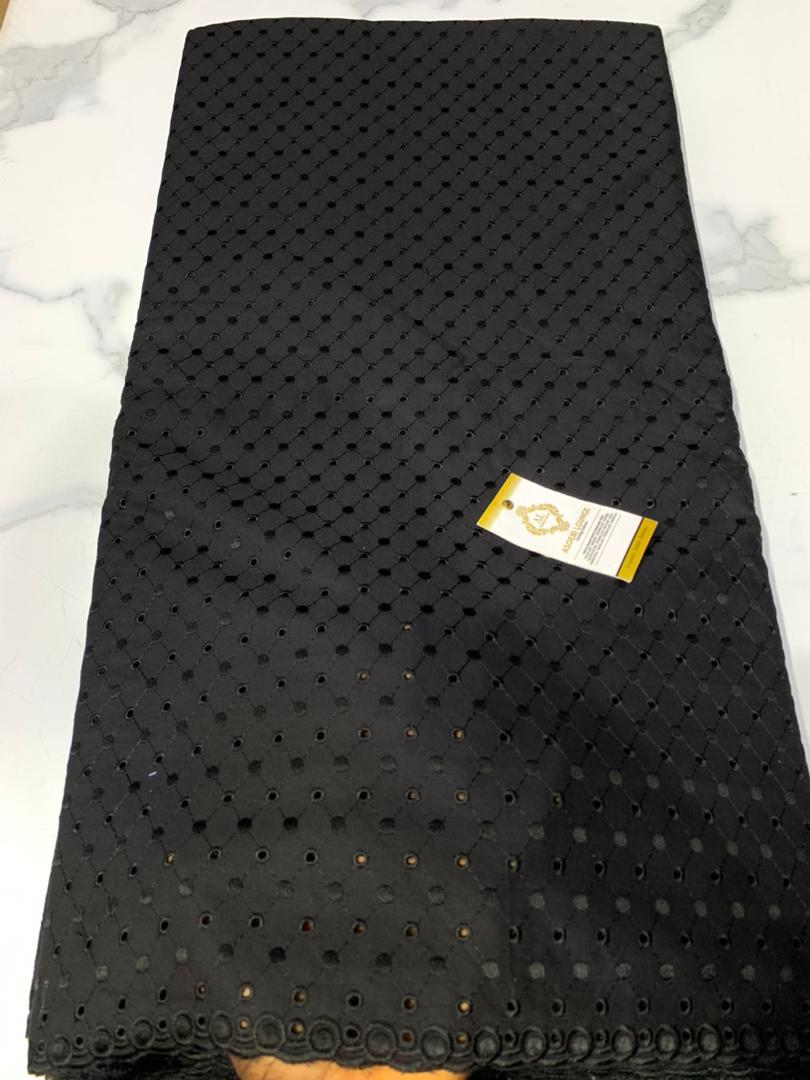
Do not assume that every vivid colour is available to guests. White, ivory or another pale neutral may be reserved for the couple; a specific shade may distinguish the bride’s family, groom’s family or close friends. Some families are comfortable with black, while others may associate it with mourning or consider it too severe for the celebration. Ask instead of applying one rule to every Nigerian wedding.
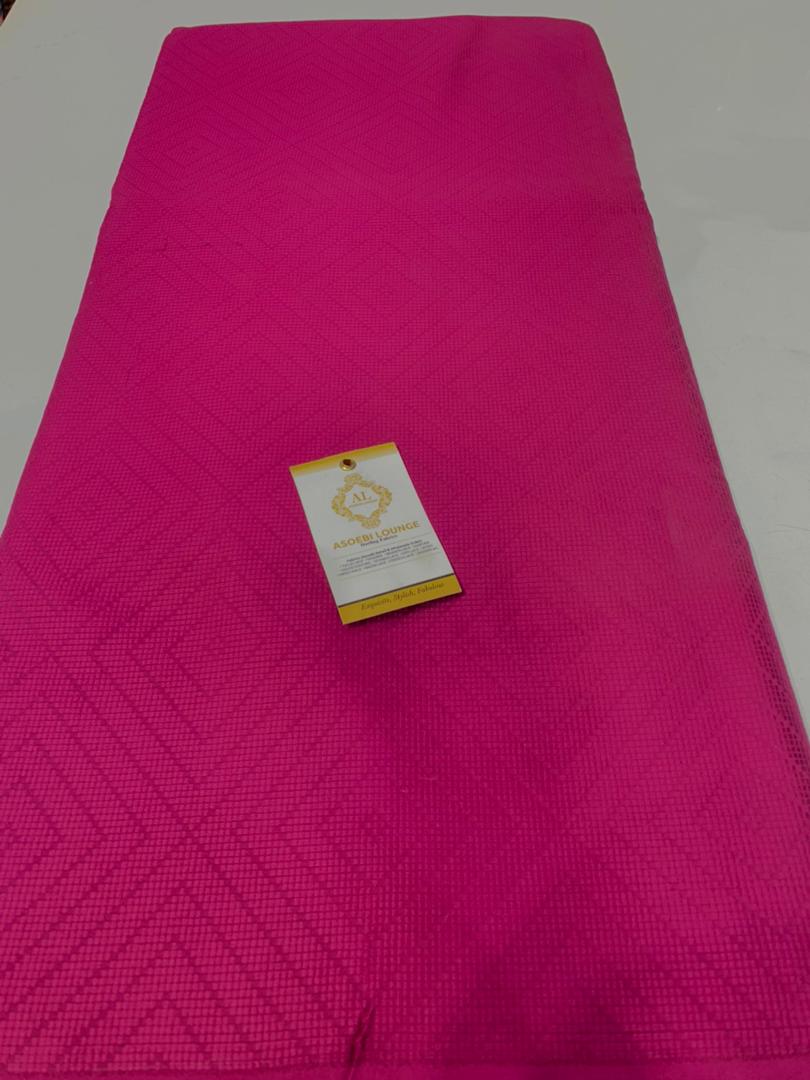
When you have freedom to choose, build around one dominant colour, one supporting tone and one metallic or neutral. Emerald with champagne, plum with muted gold, navy with silver, rust with bronze and teal with warm beige can photograph clearly without requiring every accessory to match. Photograph the complete outfit in daylight before the event because screens and indoor bulbs can shift colour.
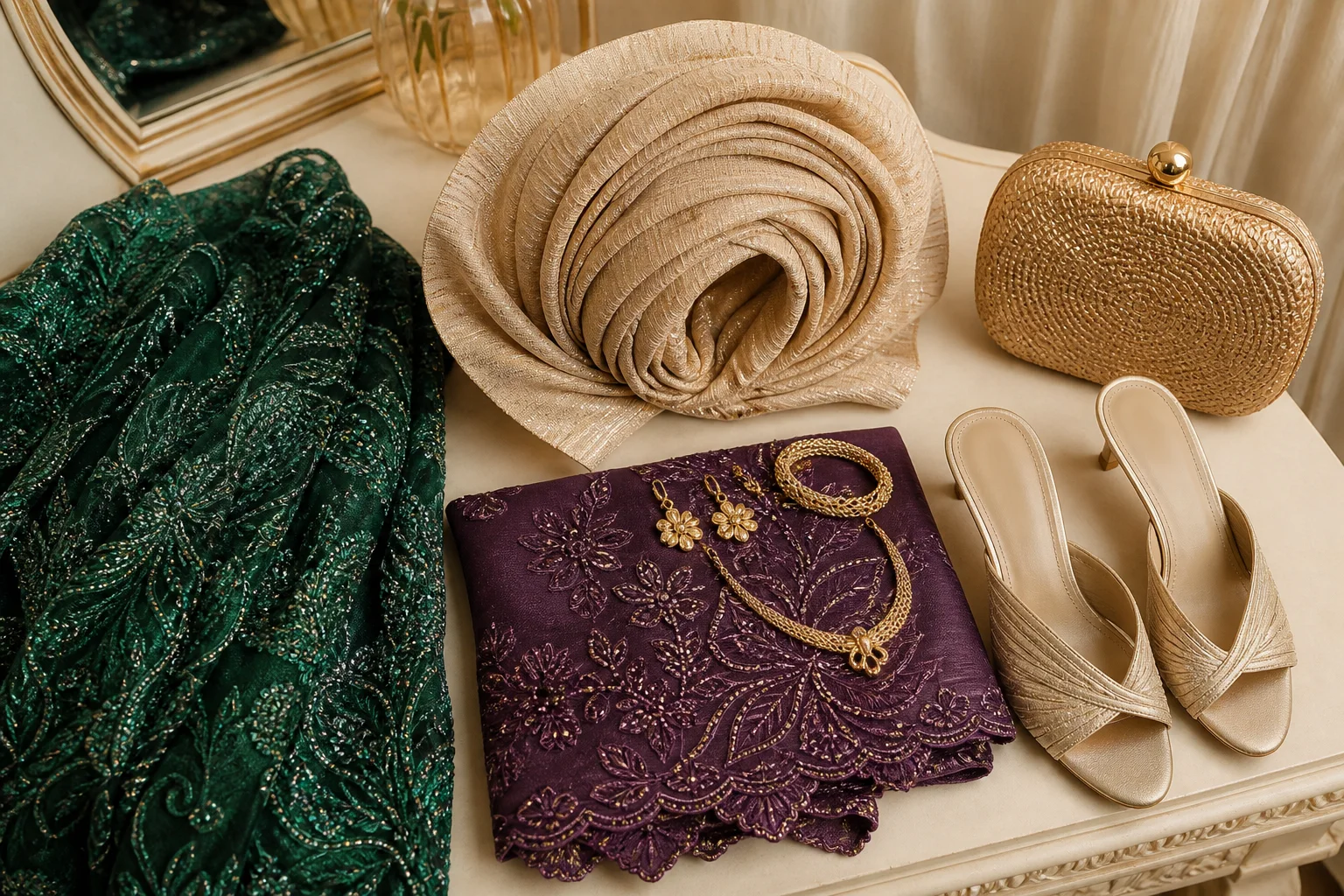
A simple colour check
- Confirm that your colour is not reserved for the couple or either family.
- View fabric, gele or cap and accessories together in natural light.
- Use one metallic direction—warm gold, cool silver or a restrained mix.
- Let one piece carry the strongest texture or embellishment.
- Take an unfiltered phone photograph to see how the combination reads on camera.
Coordinate Gele, Jewellery, Shoes and Bags
Accessories should finish the story rather than fight for attention. If the fabric is heavily beaded, choose cleaner jewellery and a calmer bag. If the outfit is simple, a sculptural gele, coral-style beads or a textured clutch can provide the focal point. Repeat an undertone from the fabric so the look feels intentional even when the colours are not identical.
For a long programme, comfort is a styling decision. Break in shoes before the event, carry discreet flats if appropriate and make sure the gele or cap remains secure without causing pressure. Keep the bag small enough for photographs but large enough for a phone, invitation details and essential touch-up items.
Dress for the Venue, Weather and Schedule
Lagos humidity, an Abuja evening, a rainy-season garden and an air-conditioned ballroom create different clothing needs. Check whether any part of the ceremony is outdoors and how far you will walk. Breathable lining, secure embellishment and a manageable train can matter more than another layer of decoration.
Ask for the event timeline when several ceremonies happen on one day. You may need a modest layer for worship, a more expressive accessory for the reception or a second pair of shoes for dancing. Men wearing agbada can plan a practical way to manage the outer garment during meals and movement without losing its formal shape.
When Should You Order or Sew Your Outfit?
Begin as soon as the dress code is confirmed. Your schedule must include fabric sourcing, dispatch, the first fitting, corrections and final pressing—not only sewing time. Imported materials, handwoven pieces, large group orders and complex beadwork require more room than a simple outfit made from available stock.
Work backwards from the wedding date
- Confirm the dress code before selecting a style.
- Show the tailor the exact material and its usable width.
- Agree on fitting dates in writing instead of relying only on a collection date.
- Complete the first fitting while there is still time for structural changes.
- Try the final outfit with the actual underwear, shoes and accessories.
- Keep one day for steaming, small repairs and packing.
Nigerian Wedding Guest Mistakes to Avoid
Common avoidable mistakes
- Ignoring the invitation because a different outfit looks more fashionable online.
- Wearing a reserved family, bridal or groom colour without permission.
- Ordering unofficial asoebi that is almost—but not actually—the same shade.
- Copying another guest’s photograph exactly instead of adapting the idea respectfully.
- Choosing a fabric or silhouette that cannot handle the venue and schedule.
- Leaving tailoring so late that there is no time for a proper fitting.
- Treating one family’s custom as a universal rule for every Nigerian wedding.
Frequently Asked Questions
Can I wear a normal dress to a Nigerian wedding?
Yes, when the invitation does not require asoebi or traditional clothing. Choose polished formalwear that matches the venue and stated dress code. If a colour or cultural expectation is unclear, ask the couple or coordinator before shopping rather than relying on a general internet rule.
Do I have to buy asoebi for a Nigerian wedding?
Not always. Some groups expect participating members to buy the official fabric, while other couples make it optional. Confirm with the coordinator. If cost, timing or delivery is difficult, explain early and ask whether an approved colour alternative or ordinary formal outfit is acceptable.
Can a wedding guest wear white?
Only when the couple has clearly allowed or requested it. White, ivory, champagne and other pale shades can be reserved for the couple or wedding party. Because customs and styling differ, get a direct answer from the hosts before choosing an outfit that could appear bridal in person or photographs.
Can I wear black to a Nigerian wedding?
Black may be welcomed at some modern or evening weddings and discouraged at others because of family preference or cultural association. There is no single rule for every Nigerian wedding. Check the invitation and ask the hosts, then add celebratory colour or accessories if black is approved.
What should a man wear to a Nigerian traditional wedding?
A man can wear agbada, kaftan, senator-style attire or another native set that follows the requested colour and formality. A suit may also work when traditional attire is not required. Prioritise clean tailoring, comfortable fabric weight and properly coordinated shoes, cap and accessories.
How should a foreign guest dress for a Nigerian wedding?
Follow the invitation and ask the couple whether traditional attire is encouraged. Wearing approved Nigerian clothing can be respectful when it is sourced and styled thoughtfully, but it is not something to guess. Well-fitted formalwear in an approved colour is a safe alternative when no cultural dress is requested.
Wear the Invitation, Then Add Your Style
Deciding what to wear to a Nigerian wedding becomes easier when you put the invitation first. Confirm the ceremony, asoebi and reserved colours; choose a fabric that suits the climate and schedule; then use tailoring and accessories to express your style. Respect and preparation create a better guest look than chasing the loudest outfit in the room.
Resources
Topic inspiration and further reading
- BellaNaija Weddings: Wedding Guest Inspiration - A visual archive of contemporary Nigerian wedding-guest fashion.
- OloriSuperGal: Aso Ebi Diaries premiere coverage - Contemporary cultural and fashion context around coordinated asoebi.
- Guardian Nigeria: What Do Guests Wear to Nigerian Weddings? - Additional guidance for local and international wedding guests.
- University of South Africa: Aso Ebi as a Nigerian social uniform - Research into the history and social role of coordinated attire.