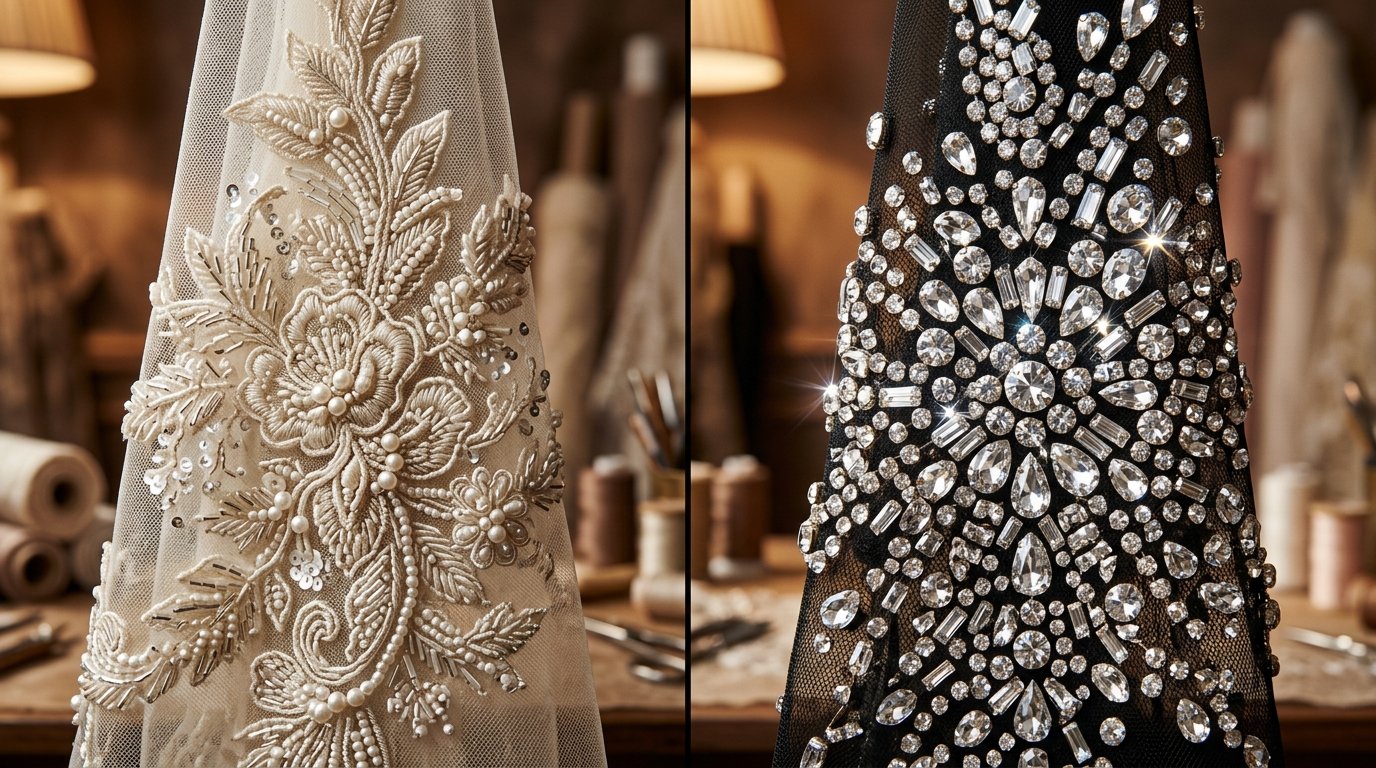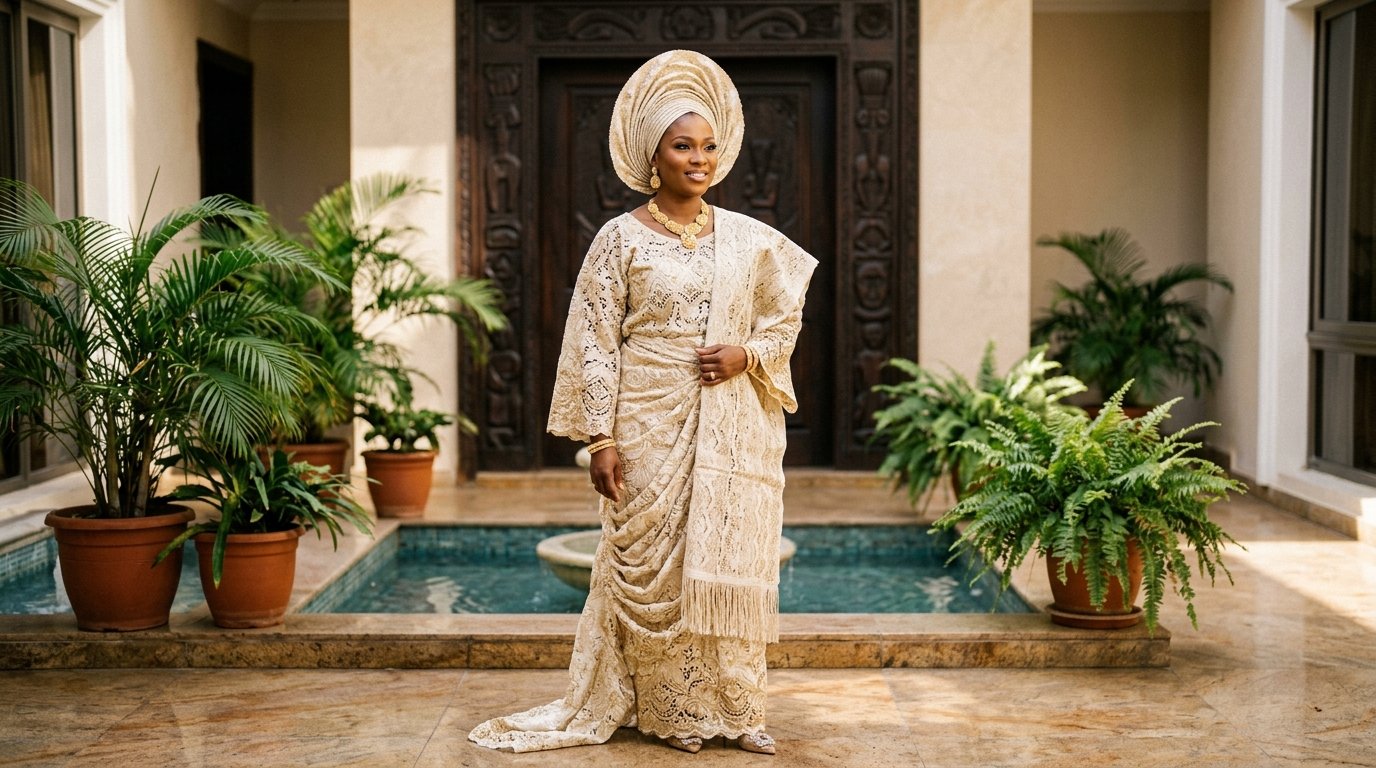
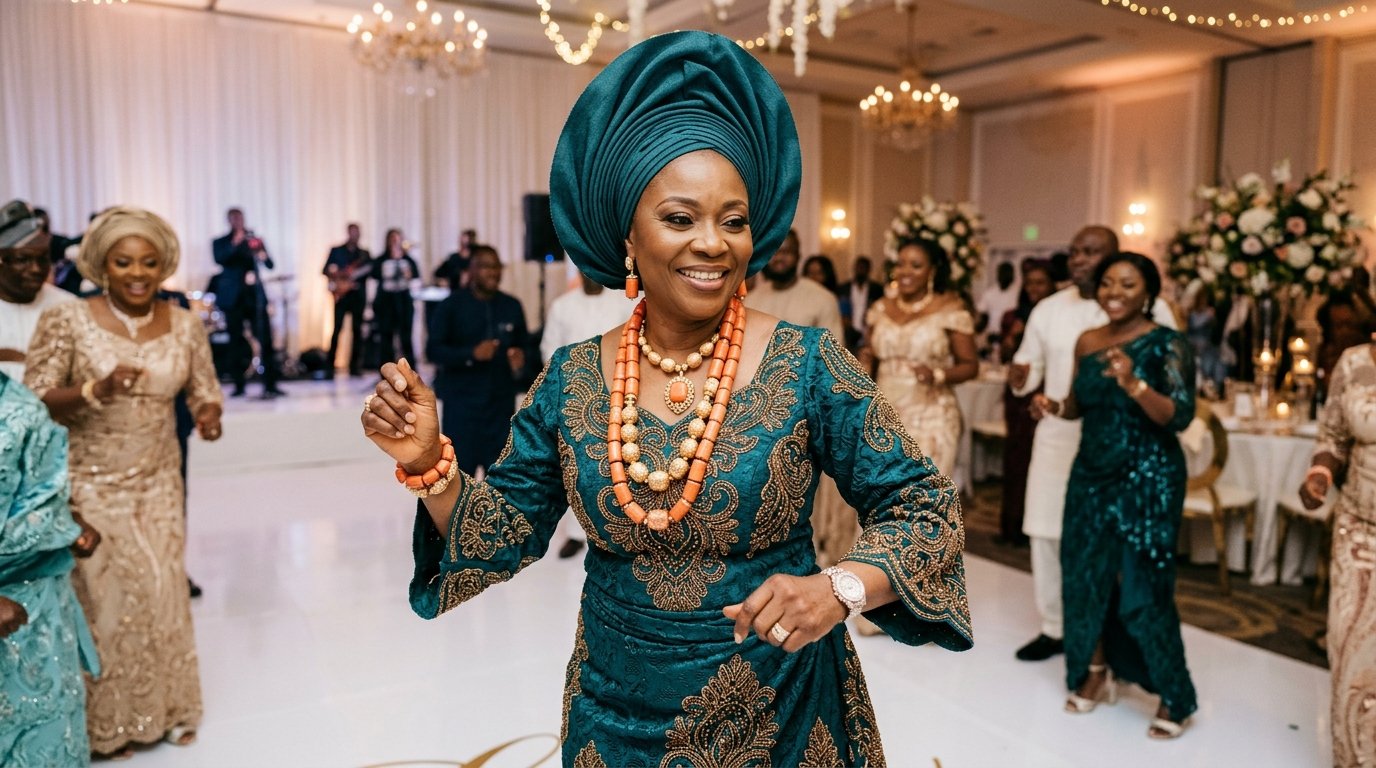
In Nigerian society, a child's wedding day is considered the ultimate crowning achievement of a mother's life. From the first dawn prayers to the late-night entrance dance where stacks of crisp banknotes shower her shoulders, all eyes—and all cameras—are locked onto the Mother of the Bride (*Iya Iyawo*) and the Mother of the Groom (*Iya Oko*). Her outfit is not merely clothing; it is a spiritual, cultural, and social testament to decades of labor, sacrifice, and community standing.
Yet, many mothers struggle with a difficult paradox: how to look majestic, regal, and wealthy without wearing a garment so heavy, stiff, or hot that it causes physical exhaustion during an event lasting 8 to 12 hours. In this master guide, we explore the four elite maternal textiles, color etiquette, weight management, accessory regalia, and styling harmony with the Father of the Bride.
1. The 4 Premier Fabrics for Mothers of the Couple
Maternal Fabric Specification & Comfort Benchmark Matrix
| Fabric Type | Weight (5 Yards) | Cultural Application | Airflow & Comfort Level | Price Benchmark (Nigeria) |
|---|---|---|---|---|
| Luxury Beaded George | 3.5kg – 5.0kg (Dense & Grounded) | Igbo, Delta, Edo Traditional Engagements | Moderate; best paired with silk petticoat | ₦120,000 – ₦350,000+ per cut |
| Hand-Beaded French Lace | 3.0kg – 4.5kg (Heavy & Luminous) | Yoruba Traditional, Church Weddings, Receptions | Moderate; needs breathable cotton lining | ₦95,000 – ₦280,000 per bundle |
| Authentic Swiss Voile (Dry Lace) | 1.5kg – 2.2kg (Featherlight) | Church Thanksgiving, Child Dedications, Engagements | Maximum (10/10 breathability; pure cotton) | ₦85,000 – ₦220,000 per bundle |
| Metallic Silk Brocade / Damask | 2.2kg – 3.2kg (Structured) | Hausa/Fulani Nikkah, Edo Matriarchal Kaftans | Good; holds clean architectural shape | ₦75,000 – ₦180,000 per bundle |
2. Cultural Color Etiquette: Standing Apart from the Crowd
The Mother of the Bride must never blend into the background. Follow these critical color protocols:
Maternal Color Rules
- Never Wear the General Guests' Asoebi: Even if your family picked champagne, wine, or teal for the general guests, the mothers MUST wear a distinct, elevated fabric. If guests are in champagne, the mother can wear regal royal teal, deep emerald green, or burnished antique gold.
- Respect the Bride's Silhouette & Palette: While the mother should shine, she must not wear pure bridal diamond white or mimic the bride's reception gown silhouette. If the mother chooses cream or ivory, it should be heavily embellished with gold embroidery to ensure clear generational distinction.
- Coordinate (Do Not Duplicate) with the Mother of the Groom: The two mothers do not have to wear the identical fabric, but their color palettes should harmonize in joint family portraits (e.g., Mother of the Bride in Royal Teal and Mother of the Groom in Champagne Gold, both accented with matching coral beads).
When the Iya Iyawo dances into the reception hall, she is carrying the dignity of two families on her shoulders. Her lace must hold its shape from the 10 AM church blessing until the midnight spray session.Ifeoma Okonjo, Senior Bridal Stylist, Darlings Fabrics
3. Ergonomics & Physical Stamina: Planning for a 10-Hour Day
A Nigerian wedding is an endurance test for mothers. Between standing in receiving lines, dancing during the entrance procession, kneeling for parental prayers, and moving between guest tables, physical comfort is non-negotiable:
Stamina Management Checklist
- Choose Cotton Lawn Lining: Never line the mother's buba or gown with synthetic polyester. Use 100% Egyptian cotton lawn or breathable silk habotai to absorb moisture and keep skin cool under hot event marquee lights.
- Supportive Waist Stays: Ensure the tailor installs a wide interior grosgrain waist stay ribbon. This transfers the heavy weight of beaded George or lace onto the hips rather than straining the neck and shoulders.
- Comfortable Low Block Heels: Avoid 4-inch stilettos. A chic 2-inch to 2.5-inch metallic block heel or platform wedge covered in matching satin provides stability on polished marble floors and grassy outdoor courtyards.
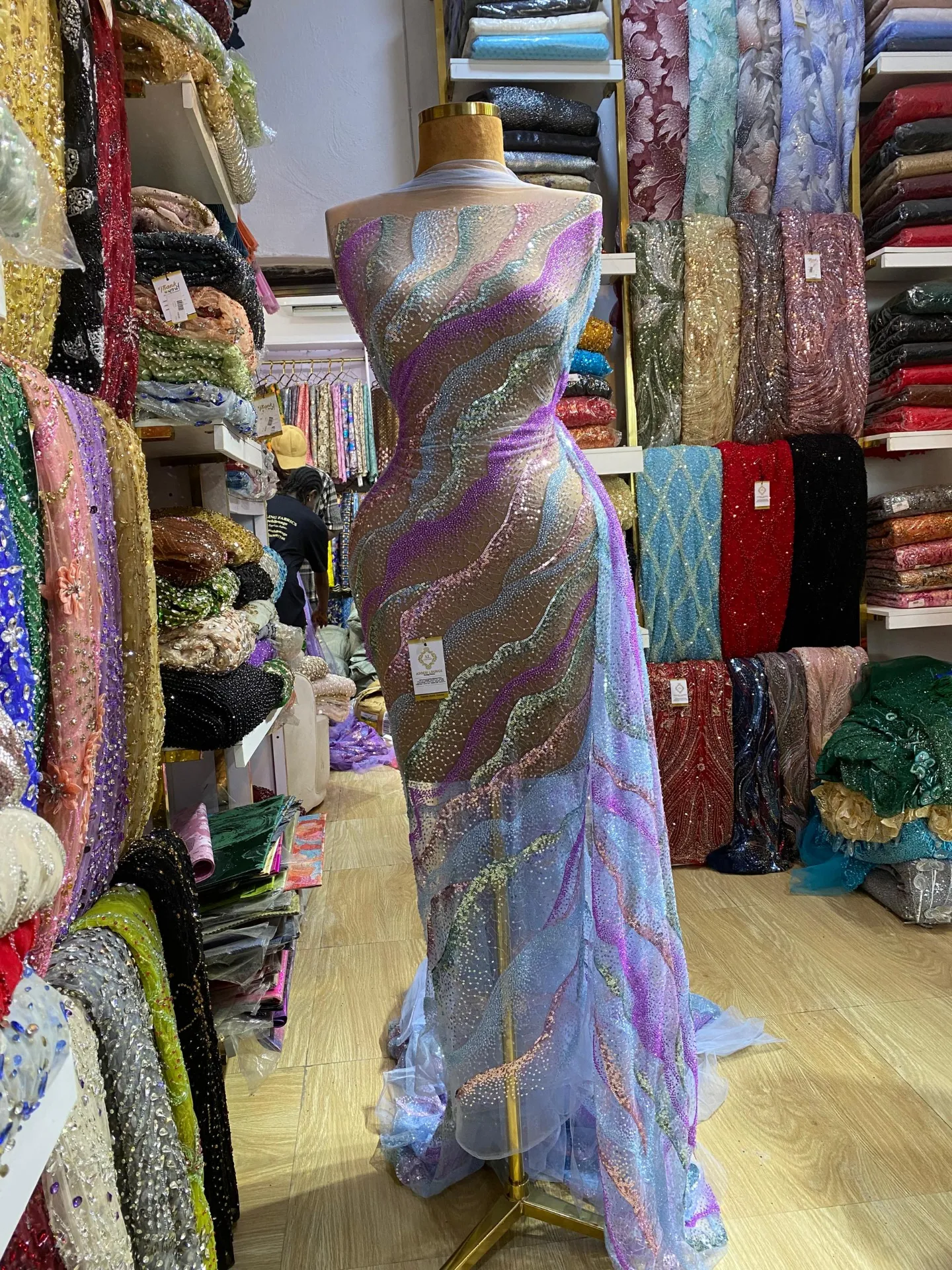
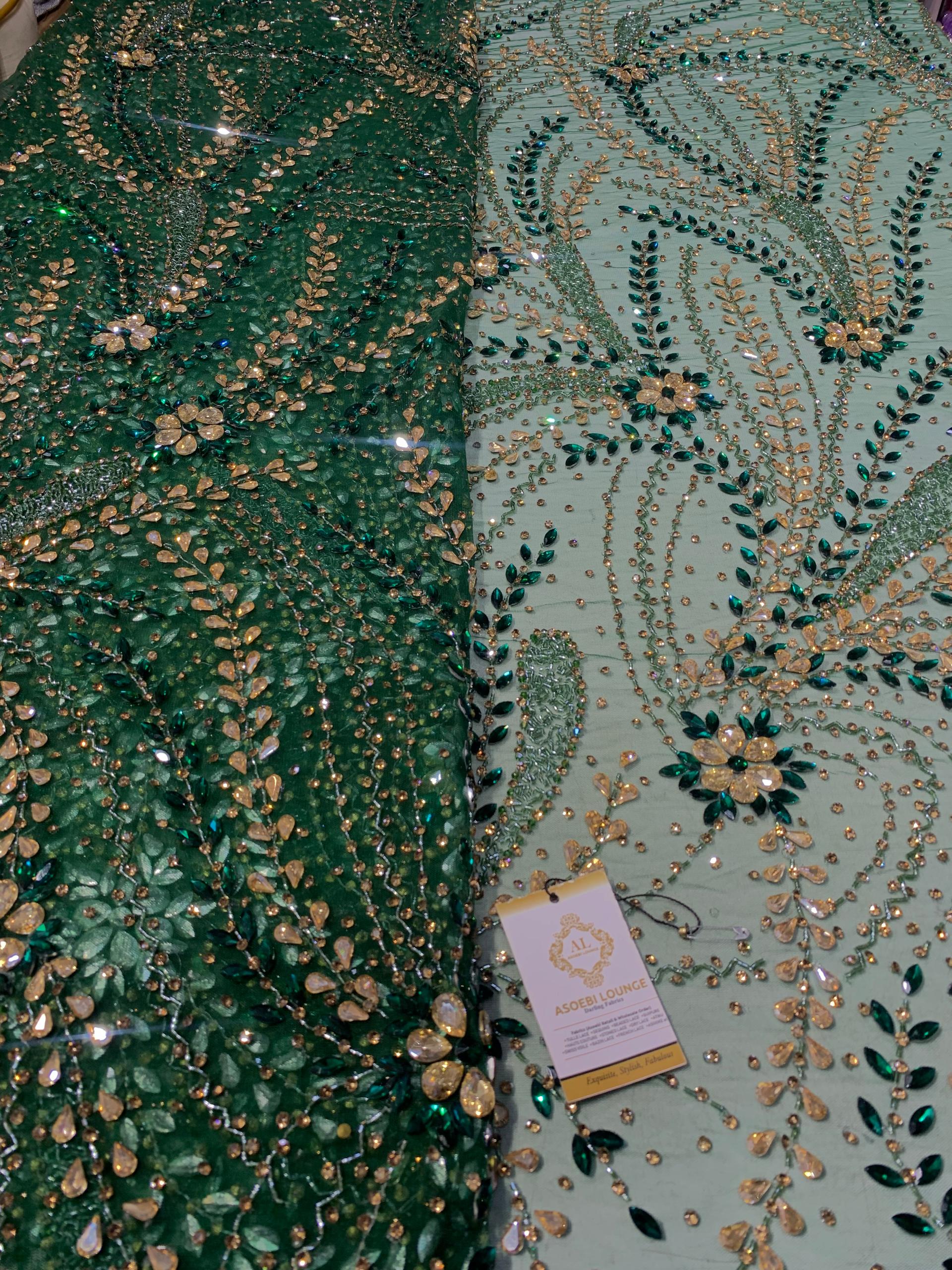
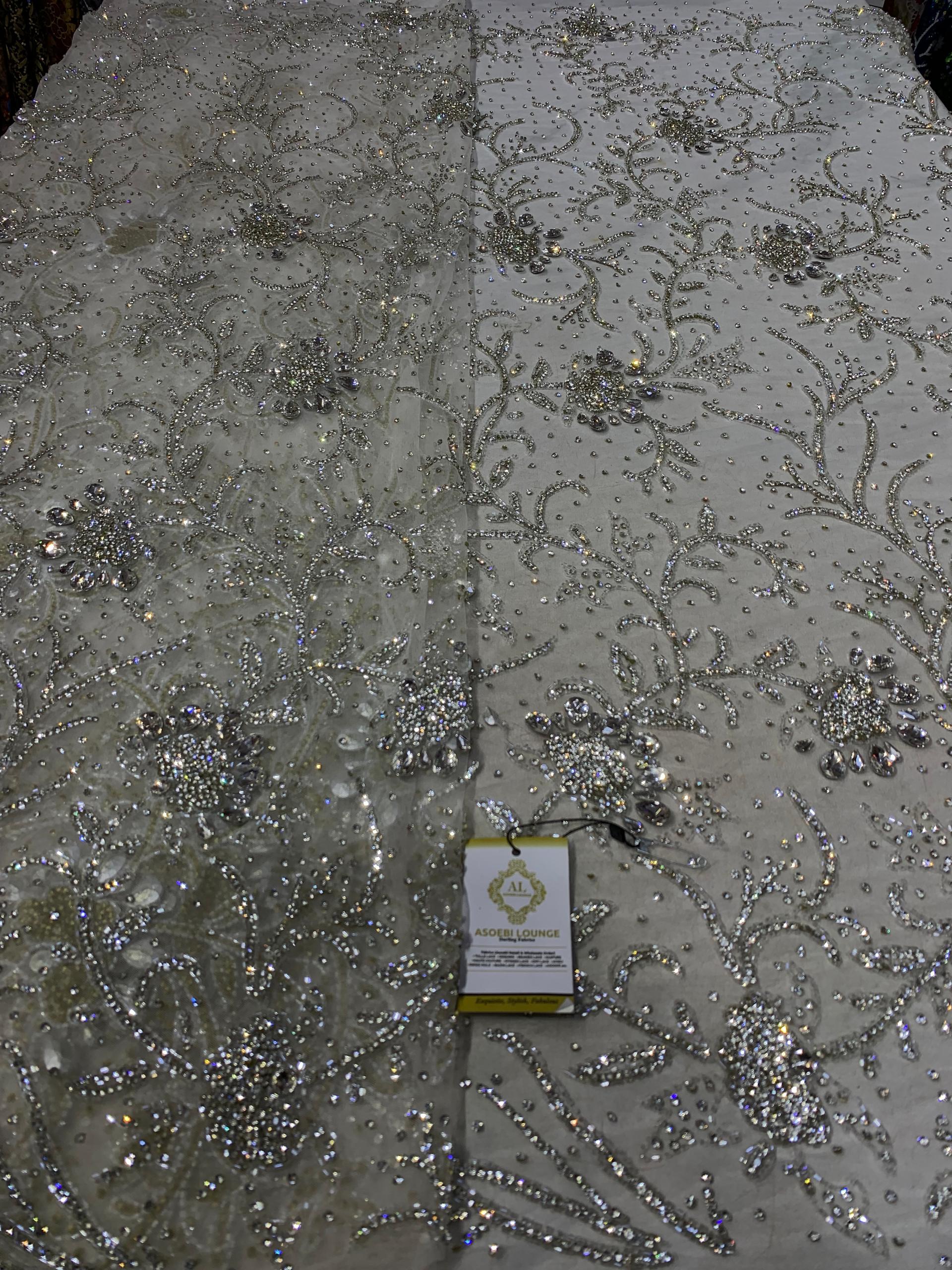
Featured Maternal Luxury Fabrics
Recreate the editorial look with curated Darlings Fabrics picks.
Shop Collection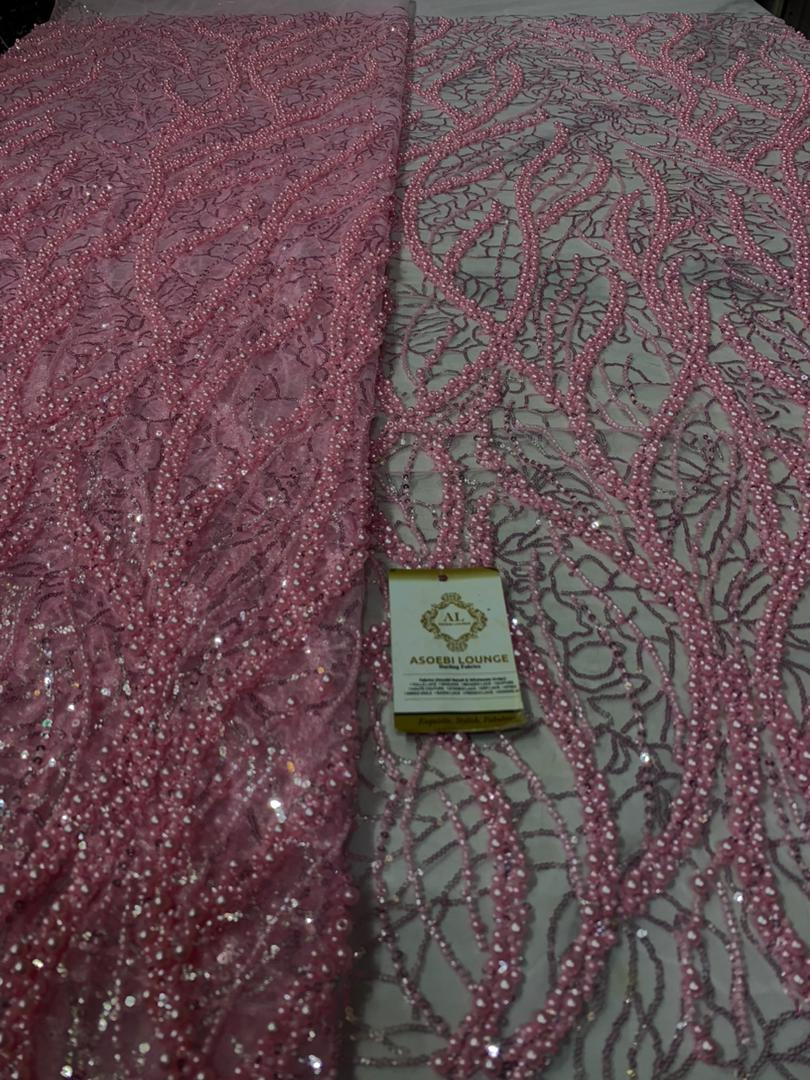
4. Maternal Regalia: Beads, Geles & Father's Coordination
5. 5 Mistakes Mothers Make with Fabric Selection
Avoid These Maternal Mistakes
- Mistake 1: Leaving fabric purchasing until 4 weeks before the wedding. Hand-beaded George and luxury French lace often require 6 to 8 weeks for custom importing and master tailoring.
- Mistake 2: Wearing a tight, restrictive fishtail skirt that prevents kneeling during traditional prayer blessings.
- Mistake 3: Wearing an open back or plunge neckline that invites disapproval from church leaders or family elders.
- Mistake 4: Choosing a light, flimsy synthetic lace that wrinkles heavily after sitting in the car for 45 minutes.
- Mistake 5: Forgetting to pack a backup pair of luxury embellished flat slippers for the 9 PM reception after-party.
Frequently Asked Questions
Frequently Asked Questions on Mother of the Bride Attire
Should the Mother of the Bride and Mother of the Groom wear the same color?
Not necessarily. While some families choose to unite both sides under one coordinated palette, modern etiquette allows each mother to select an independent royal jewel tone (e.g., one in Teal, one in Burgundy) that flatters her complexion, while coordinating their accessories or coral beads for cohesive family portraits.
Can the Mother of the Bride wear a modern gown instead of traditional Iro and Buba?
Yes! While traditional iro and buba or George wrapper remains the cultural standard for morning ceremonies, many contemporary mothers change into a conservative, floor-length corseted evening gown with cape sleeves or an architectural kaftan for the evening reception.
How many yards of George fabric are needed for a full mother's outfit?
Authentic Indian George is typically sold as a complete set containing 5 yards of embroidered fabric (used for the double wrapper) plus a coordinating 1.5 to 2-yard embroidered blouse cut.
What is the best fabric if the mother has sensitive skin or sweats easily?
100% Swiss cotton voile dry lace. It contains zero synthetic fibers, breathes effortlessly in tropical heat, causes zero skin irritation, and looks aristocratic without the weight of heavy glass beads.
Can the mother wear real gold instead of coral beads?
Yes. In Yoruba and Northern traditions, heavy 18k or 22k gold filigree necklaces, layered rope chains, and statement drop earrings are the traditional signifiers of high matriarchal wealth.
How early should the mother's fabric be handed to the tailor?
At least 8 to 10 weeks before the wedding date. Luxury fabrics require toile fittings and careful hand-finishing that cannot be rushed by master couturiers.